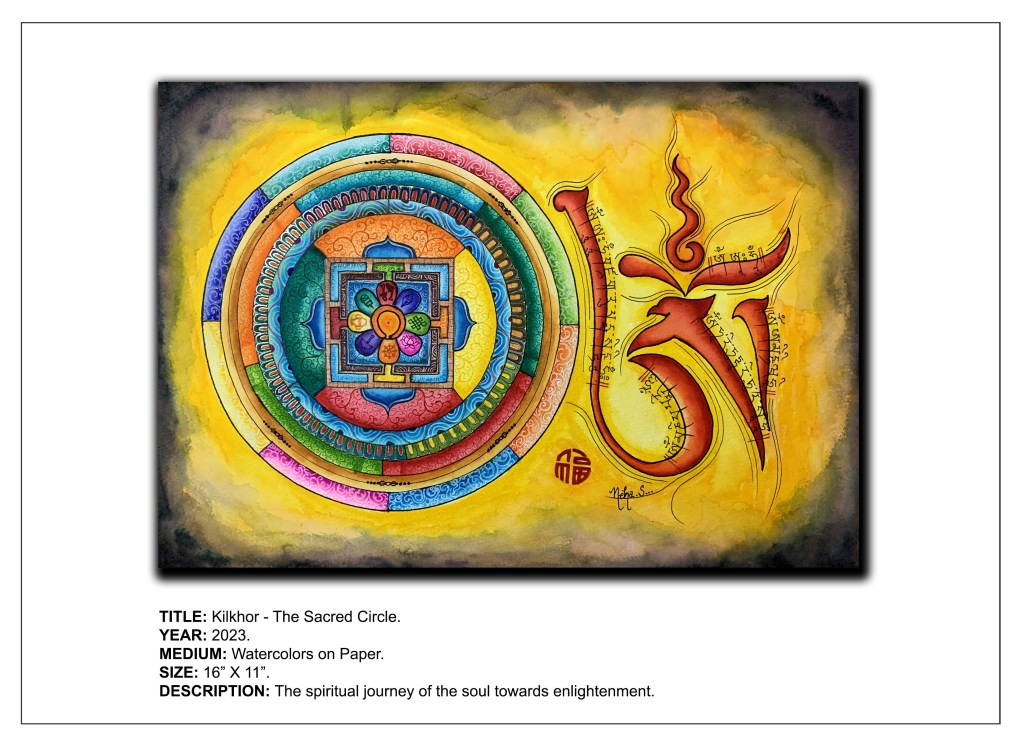
The artwork in today’s post is titled “Kilkhor – The Sacred Circle” and takes inspiration from the Tibetan Mandala and Thangka paintings. The Tibetan word for mandala is “Kilkhor,” which means “center of the circle with exterior walls and surrounding environment.”
The artwork
Mandalas are two- or three-dimensional ritual objects found in Tibetan Buddhist and other religious traditions. They are seen as objects for meditation, assisting in spiritual development. They represent the universe, and all the symbols represent one’s spiritual journey, from birth through life to death, interconnecting all living things. This spiritual journey is portrayed in the mandala through the various layers, starting form the outside to the innermost core, which in turn represents the ultimate destination of every soul – enlightenment.
In this artwork, the mandala that has been illustrated serves as a tool for gaining wisdom and compassion by guiding individuals along the path of enlightenment. It is a cosmic diagram or geometric pattern representing the various layers of worldly vices and weaknesses that one needs to overcome and the virtues that one needs to adopt and practice in order to attain the final goal of Nirvana. These 8 layers, starting from the outside and moving inwards in concentric circles are:
The eight vicissitudes (Outermost/1st layer) – Pleasure, pain, loss, gain, blame, praise, fame and disrepute.
The six roots of the mind (2nd layer) – Love, delusion, wisdom, hatred, generosity and greed.
The five precepts (3rd layer) – Lust, False/harsh speech, intoxicants, killing and stealing.
The five hinderances (4th layer) – Anger, sloth, restlessness, doubt and desire.
The three kinds of suffering (5th layer) – Suffering of conditionality, suffering of change and suffering of pain.
The four noble truths (6th layer) – The truth of existence of suffering, the cause of suffering, the cessation of suffering and the path leading to the cessation of suffering.
The Noble Eightfold Path (7th layer) – Right view, right thought, right speech, right action, right livelihood, right effort, right mindfulness and right concentration. This layer also represents the eight auspicious symbols associated with Buddhism, namely – the conch, endless knot, pair of golden fish, lotus, parasol, vase of jewels, Dharmachakra and victory banner.
The Zen Circle (Innermost/8th layer) – This is the circle of enlightenment, the final destination for peace and mindfulness.
Each layer is divided symmetrically into equal portions representing each of the respective qualities or elements associated with it. Traditional motifs employed in Thangka paintings and Tibetan mandalas have been used to illustrate them in different colours. The calligraphic script next to the mandala is a stylized version of the Tibetan alphabet for “Om”, which has been further accentuated with some common Buddhist mantras also in Tibetan script.
This mandala symbolizes every individual’s endeavor to overcome all the worldly attachments (represented in the first five layers), realizing and accepting the four noble truths (represented in the sixth layer) and finally adopting the eight noble virtues (in the seventh layer) through the power of meditation and detachment in order to transcend metaphysically into the pure state of awakening (the eighth and innermost layer).
Our world is currently in the grip of a nerve-racking pandemic, COVID – 19. Stress and anxiety have always affected people but with the uncontainable proliferation of this global contagion, more people than ever before seem to be falling prey to these demons. People are now not only suffering from stress related to money and work but also having to deal with the adverse effects of anxiety caused by this deadly microbe.
So how does one handle these nerves? Here’s how I do it….I use the healing power of art. For me, art is therapeutic. It helps me tide over all those anxious moments that are eating away into my mental and emotional well being. Art therapy can prove to be profoundly helpful in dealing with not just the present day stressful environment of the pandemic ridden world, but also help relieve workplace anxiety.
What is Art Therapy?
Art therapy is a form of therapy based on the belief that artistic expression has the power to heal our self-esteem and help us relax. Unlike other forms of therapy that rely on language as the foremost mode of communication, art requires something different, something unspoken.
How does it work?
Intensively focusing on an activity like creating art can relieve stress by distracting and refocusing the mind elsewhere. Art therapy can enable you to express what you feel without putting it into words and releases the anger, unhappiness or any other emotion within. You don’t necessarily need to be an artist to experience the therapeutic effects of art therapy. You can reap the emotional benefits of your artistic endeavors without having to worry about the aesthetic outcome. The mere satisfaction of creating something with your own hands will lift your spirits. Once you are done with your creation, you can look back at it and get an insight into the cause of your stress and figure out ways to avoid it.
What are the techniques involved?
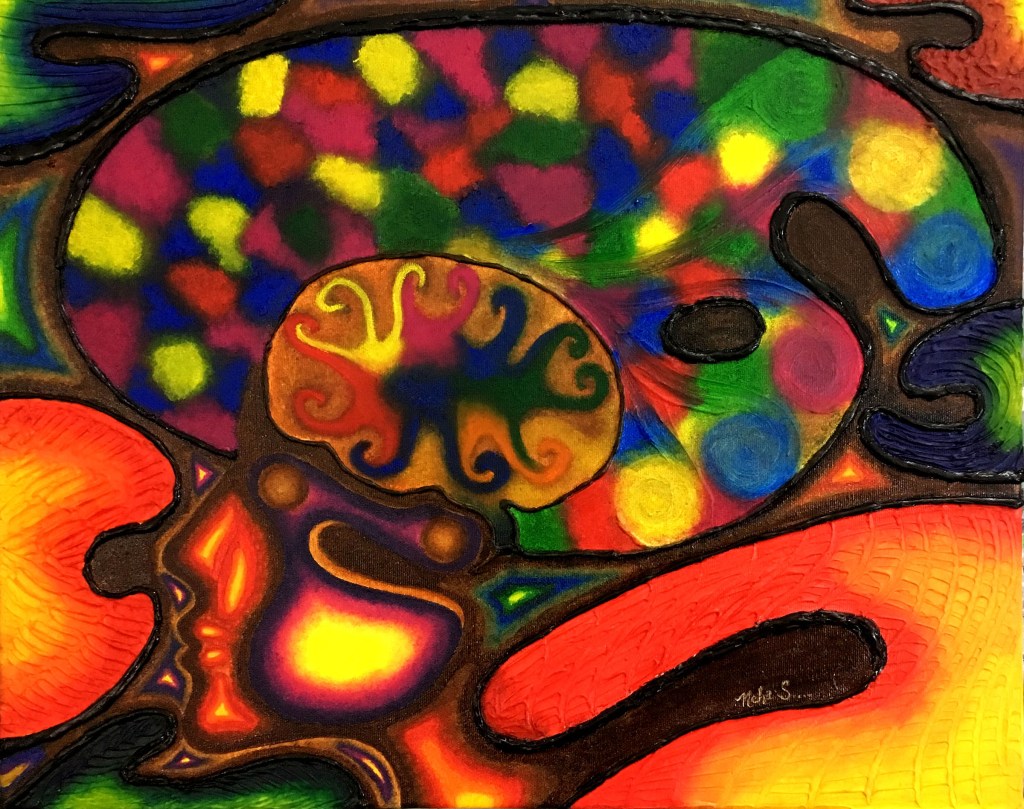
Here are some suggestions that I personally found useful and interesting. Ideally, art therapy is best practiced under the guidance and support of an art therapist, so do consult one if my ideas don’t seem to help. Some of the images here are my own creations that have proved therapeutic for me in way or another. Others are purely for reference purposes.
Display your emotions on canvas
One technique is to segregate your negative emotions from the positive ones by drawing and painting them onto a canvas. All you need to do is divide a canvas into two, in one section draw and paint your negative feelings and on the other half paint and draw feelings that make you happy. This exercise will help you replace your negative sentiments with positive thoughts, thereby releasing any stress or apprehensions.
A display of my emotions on canvas
Digital Mediums
Another means of practicing art therapy is through digital mediums. All you need is an iPad or tablet, a stylus and any good drawing app like Adobe Photoshop Sketch or Autodesk Sketchbook.The best part about digital art therapy is that it’s easy to erase and start over! Another benefit of using digital medium is it increases concentration, focus as well as self-esteem, especially for children with autism.
A therapeutic digital creation of mine
· Design a postcard you don’t intend to send
Sometimes illustrating all those pent up feelings about something or someone in the form of a postcard can helps deflate the problem. Designing the postcard allows you to activate different parts of your brain and helps it to relax. Once all the negativity is out on the card, you’ll find that it has lost its power to some extent.
Therapy through postcards (Reference image)
· Cut and paste a painting to create a collage
Recreate a new artwork form a previously done painting by cutting it up and re-sticking it together in the form of a collage. This activity will motivate you to take risks and push yourself not just creatively but also in life.
Therapy through collage making (Reference image)
· Create art in the dark
Creating art in total darkness frees you from that judgmental mind of yours that compels you to self critic your work. This in turn will also relieve the stress that comes with the judgment and criticism you have to face in other aspects of your life. You will be pleasantly surprised to see sides of yourself you never thought existed when you turn the lights on!
Try Mandala and Zentangle art
Zentangle and Mandala Art can prove to be extremely relaxing and therapeutic owing to their meditative qualities. Both encourage deliberate, ritual creation and allow room for human error as no erasing is allowed. The entire process can be done in about 15 minutes and can be practiced whenever you want to.
Mandala and Zentangle (Reference images)
· Color therapy
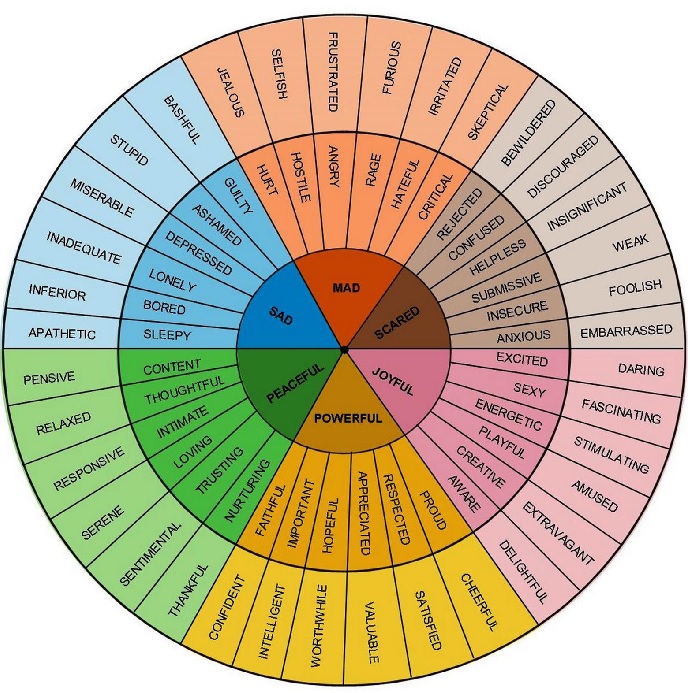
Color has the ability to affect our moods and can be used to transform our state of mind. Colors can also provide an insight into your emotional state. By cutting and pasting images with colors that symbolize your current mood (for example red or orange if you are angry) can help you figure out why you’re feeling that way and work your way out of the mood.
Color therapy (Reference image)
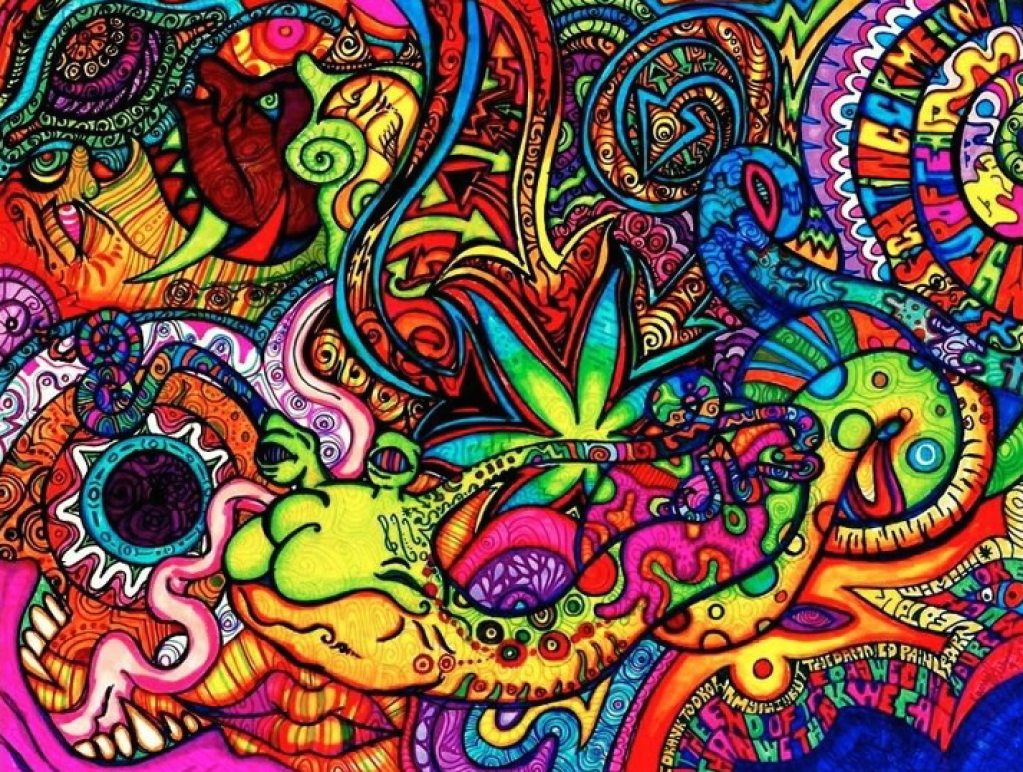
· Doodling
Doodling can be a very effective form of therapy as it allows your feelings and sentiments to flow out uninhibited. The possibilities are endless and ever interconnected line, mark or shape adds on to your story. It’s like you are pouring your heart out onto the paper which will eventually make you feel lighter and calmer.
One of my doodles
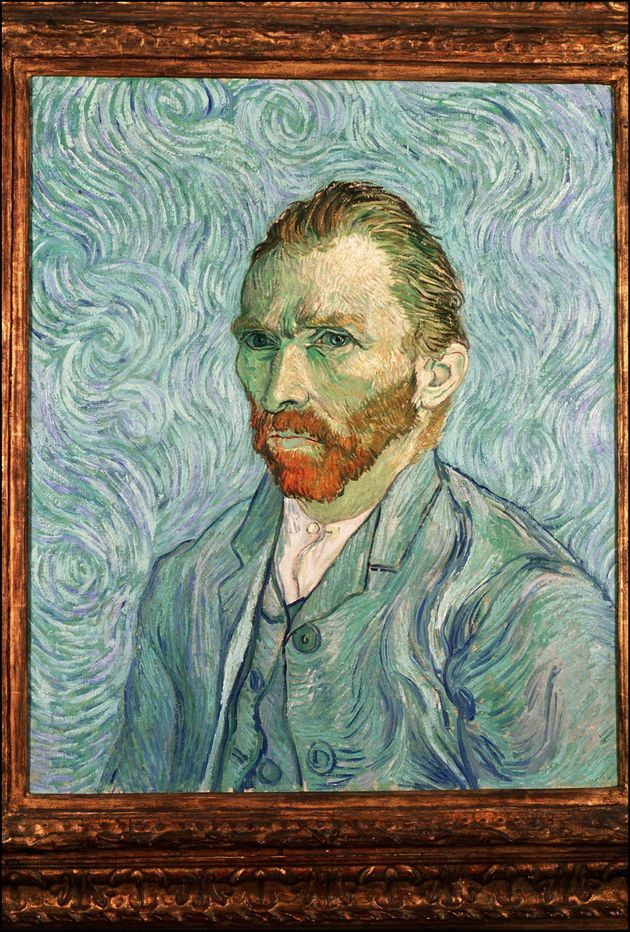
· Make a self portrait
Creating a self portrait of yourself from your past memories helps you recall the person you were and how you have transformed and grown with time. It makes you reminisce on your good as well as bad sides and shows you that you can change for the better.
Therapy through elf portraits (Reference image)
The best part of art therapy is that you can express yourself and vent out your sentiments without uttering a word. It can help you transform your negative energy into something positive – a piece of art. That’s why I love art. Not only is it expressive, it also heals.
DISCLAIMER – All the information, data and imagery in this blog post is for informational and educational purpose only. I have only made it available with the sole effort to stimulate creative progress and artistic enrichment. Some images and data may have been taken from the links included below and I give full credit to these websites/pages, thereby in no way claiming them to be my own. Some data is based on my personal experiences and opinions. As mentioned earlier on in the post, I am nota professional art therapist and the techniques I have shared below are merely suggestions. Do consult and practice art therapy under the guidance and support of a qualified art therapist.





 The Art Dungeon