The Ultimate Strike – The Canvas That Reawakens The Art Dungeon

As the doors of The Art Dungeon creak open once more, I find its chambers brimming with cherished canvases, stories yet to be told and memorable archives of my creative journey over the last three years – waiting silently to be excavated.

And there could be no better way to reopen these doors than with my latest commissioned artwork – the colossal titan, the silent behemoth, the greatest of its kind that watches over us all, silently, yet steadfastly.
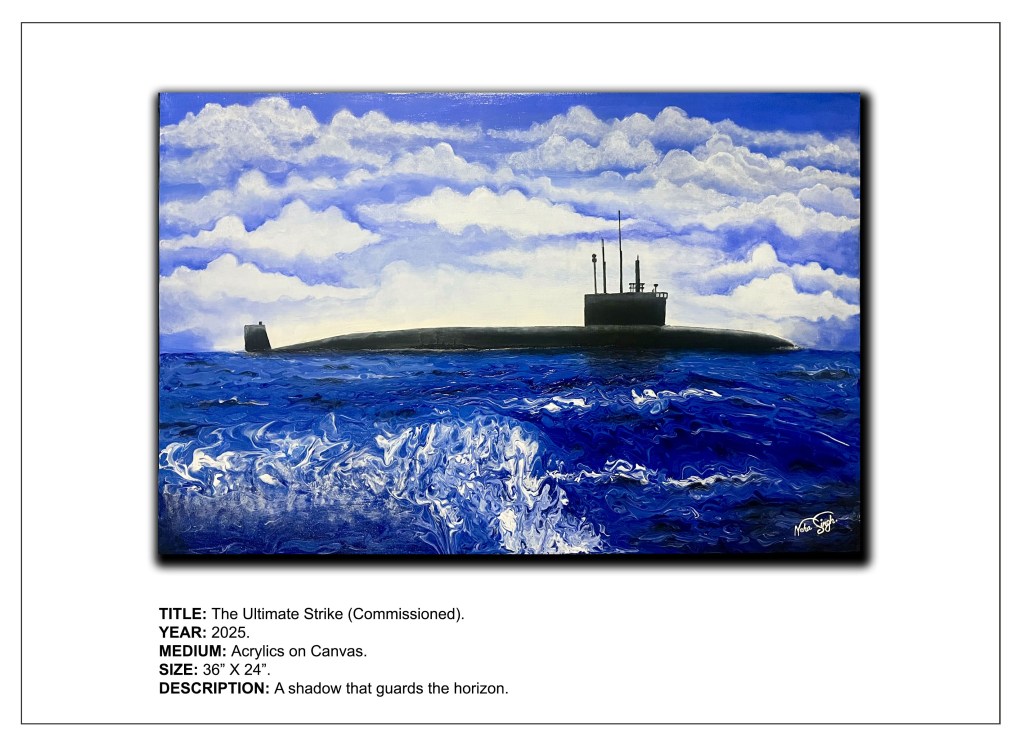
This is my representation of a nuclear submarine, the steel shark that speaks through silence, dwells in shadows and reigns in unseen depths …. “The Ultimate Strike,” immortalised forever in paint and soul, has surfaced onto my canvas, rekindling the creative embers that had long slumbered within the vaults of The Art Dungeon.

This painting is my tribute to that unseen world that is home for a chosen few. Painting this was more than recreating a submarine for me. It was capturing a feeling – the quite pride of belonging forever to the sea. A submarine is more than steel and technology. Beyond this steel frame, lies her soul – the indomitable spirit and courage of those who serve within its silent depths. This is my way of showing gratitude to the bravehearts for their unwavering commitment to our seas and safety. This depiction of their “Home at Sea” also serves as a symbol of the immense pride and gratitude their families hold for the unsung heroes and their silent service in the shadows.

“The Ultimate Strike” has been brought to life using acrylics in two distinct forms. The imposing steel hull of this silent giant has been rendered with traditional acrylic brushwork, capturing the quiet strength and commanding presence of the vessel. In contrast, the ocean’s sapphire cloak that envelops her, along with the waves that gently rock this silent sentinel, has been created using the acrylic pour technique, allowing the paint itself to mimic the fluidity, depth, and ever-changing rhythm of the sea. (If you’re curious about this fascinating technique, you can read more in my post titled Confessions Of An Acrylic Pour Addict – published on 22/05/2019 https://theartdungeon.blog/2019/05/22/confessions-of-an-acrylic-pour-addict/). The sky, the billowing clouds, and the distant horizon—silent witnesses to the fleeting silhouette of this formidable leviathan—have once again been painted using traditional acrylic brushstrokes, completing a composition where realism and fluid abstraction converge.

I have restricted the colour palette to shades of blue, black, white and grey in order to narrate the story. The varying blues capture the ocean’s many moods – from tranquil cerulean shallows to the profound ultramarine and indigo depths that cradle its deepest secrets. The sea as a backdrop, is a protector, confidante and reflects the serenity and unpredictability of a submariner’s world.

The submarine itself emerges in muted blacks and charcoal greys, its understated yet intimidating silhouette embodying quiet authority. It symbolizes quiet strength and power that needs no proclamation.

The crisp whites breathe life into the clouds and animate the cresting waves, creating a dynamic interplay of light and motion. They symbolize resilience and hope for the fleeting moments when the silent sentinel rises to get a glimpse of the world above before once again returning to the deep abyss below.

This is not just a painting – it is a homecoming. It is a key that unlocks the yet to be explored chambers of The Art Dungeon, where countless new stories have been immortalised on canvas and paper. So come, walk down memory lane with me, as we unearth artworks, moments and experiences that made me grow as an artist during my time away from this blog – one canvas, one story and one brushstroke at a time.
Can Illustration be Fine Art?

Ever wondered what those caricatures of cows with the scenic backdrop of a farm you see on the milk cartons in the supermarket are? Are they a form of art or illustration? Its images like these that lead us to the age old question – what is the difference between fine art and illustration? This dilemma has been haunting not just artists, but also non artists for centuries.

If you go by the classic definitions, an illustration is a visualization or a depiction, such as a drawing, sketch, painting, photograph, or any other kind of printed version of things seen, remembered or imagined, created by an artist using a graphical representation. It explains, visually represents, or just decorates a written text, which may or may not be of a literary or commercial nature.

On the other hand, fine art is just art for art’s sake. Simply put, an idea, concept or thought brought to life on paper or canvas. In other words, art is the idea itself whereas an illustration is a depiction or explanation of an idea or a story.

Historically, book illustration and magazine/newspaper illustrations have been the predominant forms of this type of visual art, although illustrators have also used their graphic skills in the fields of poster art, advertisements, comic booksanimation art, greeting cards and cartoon-strips.

Most illustrative drawings were done in pen-and-ink, charcoal, or metal point, after which they were replicated using a variety of print processes including: woodcuts, engraving, etching, lithography, photography and halftone engraving, among others.

Today, there are five main types of illustrations: educational “information graphics” (eg. scientific textbooks); literary (eg. children’s books); fantasy games and books; media (magazines, periodicals, newspapers); and commercial (advertising posters, point of sale, product packaging). Many of these illustrations are designed and created using computer graphics software such as Adobe IllustratorPhotoshop, and CorelDraw, as well as Wacom tablets. The traditional methods like watercolors, pastels, casein, egg tempera, wood engraving, linoleum cuts, and pen and ink are also employed even today.

There is an ongoing debate on whether illustration should be categorized as a fine art, an applied art – or even a decorative art. However, looking back in time, one will find innumerable illustrative masterpieces thereby leaving no doubt that this visual art form deserves a place alongside other fine arts like painting and sculpture.

As we glance through the history of art, we realize that during the first 30,000 years of art, artists were able to earn a decent living working for kings, priests, pharaohs and popes and commissioned art for temple walls and public spaces.  It adorned palaces and royal tombs and the homes of aristocrats.  Then monarchs began to disappear and Popes stopped commissioning new art.  The birth of capitalism gave rise to a new commercial class that became the new patrons of art.

The talented artists who once painted the ceiling of the Sistine Chapel adapted themselves to their new clientele by adopting two distinct business models.  The first produced what we now call “fine” or “gallery” art for the private collections of the rich and corporate class.  The second one evolved thanks to the newly invented printing press, wherein instead of selling a painting to a wealthy patron, artists made multiple copies of a piece and sold them for smaller amounts to larger numbers of (less-wealthy) buyers.

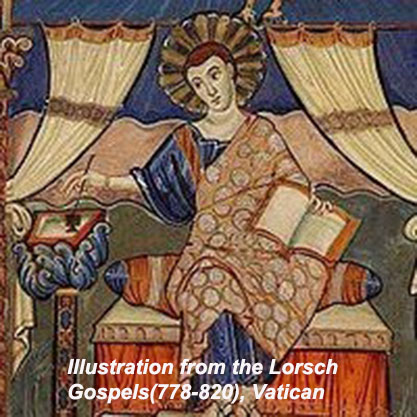
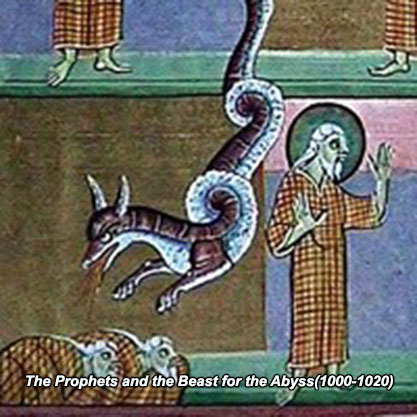
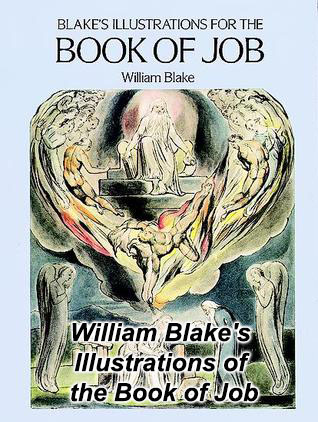
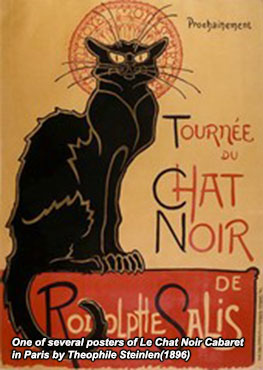
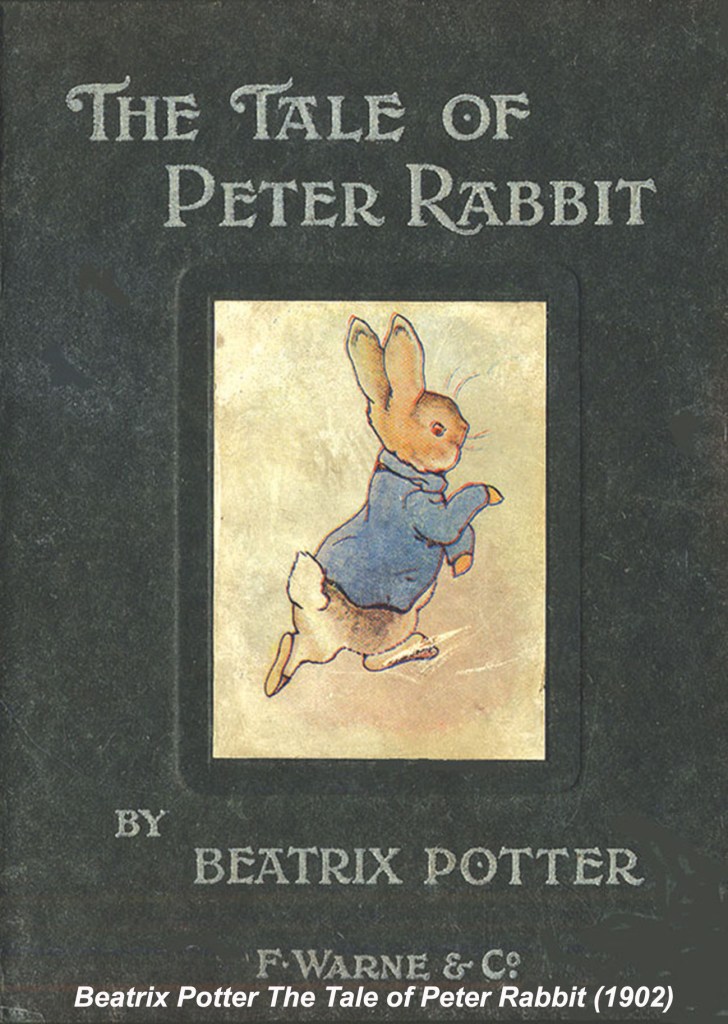
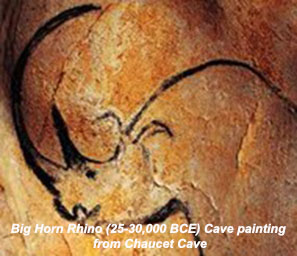
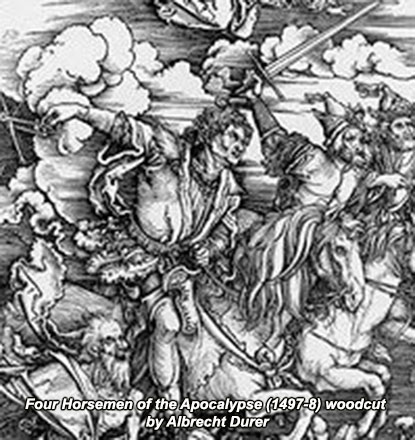
Here are a few visuals that show the evolution of art into the field of illustration through time: 

It is this technological development that brought about revolutionary changes in the history of illustration, eventually leading to the creation of the twin pillars of modern day illustration:

  1.  The ability to create and distribute quality reproductions of an artwork to large audiences.
  2.  The ability to collect marginal, proportional payments for that art from large audiences.

These two developments created potential opportunities for talented artists.  They became the core economic model for illustration, and the key distinction between modern illustration and fine art.  Thanks to these developments, the talented masters of art who were once unaffordable under the old business model of art now became accessible to the general public.

One cannot deny the fact that because of its wider audience, illustration is often broader than fine art. But does that mean the commercial angle affects the quality and character of art? In my opinion, broader appeal to a popular audience does not diminish the greatness or quality of art.

I firmly believe that there is a very thin line distinguishing art from illustration and this distinction has nothing to do with the artist’s skill or the quality of the work.  It is equally easy to find examples of illustration that are superior to “fine” art and vice versa.  I feel that the narrative/decorative divide helps us to categorize a piece either as “art” or as “illustration” and every artist is free to exploit this aspect to his or her discretion.

While fine art visually presents an idea as it is in its purest form, an illustration is a form of visual communication or representation which defines a given piece of text. The writing as well as the illustration together explains the concept or idea. This marriage between art and typography can be seen all around us in various forms like packaging of consumer products, children’s’ books, assembly and installation instructions for furniture, electronics etc., and my favorite form of illustration – road maps. Even postcards are a form of illustration! Or would you consider them fine art?

So I leave you to ponder on this and decide for yourself what you would like to put under the category of illustration and what you consider as fine art. Personally for me, any form of communicative expression is art, be it illustrative or not, for every drawing or doodle is a window to a deeper abyss that holds the true message  or meaning behind the work and also expresses the artist’s personal beliefs.

DISCLAIMER – All the information, data and imagery in this blog post is for informational and educational purpose only. Some images and data may have been taken from the links included below and I give full credit to these websites/pages, thereby in no way claiming them to be my own. Other data is based on my personal experiences and opinions.

Sources and Credits –

http://illustrationart.blogspot.com/2011/10/old-question-finally-answered.html

http://www.visual-arts-cork.com/illustration.htm