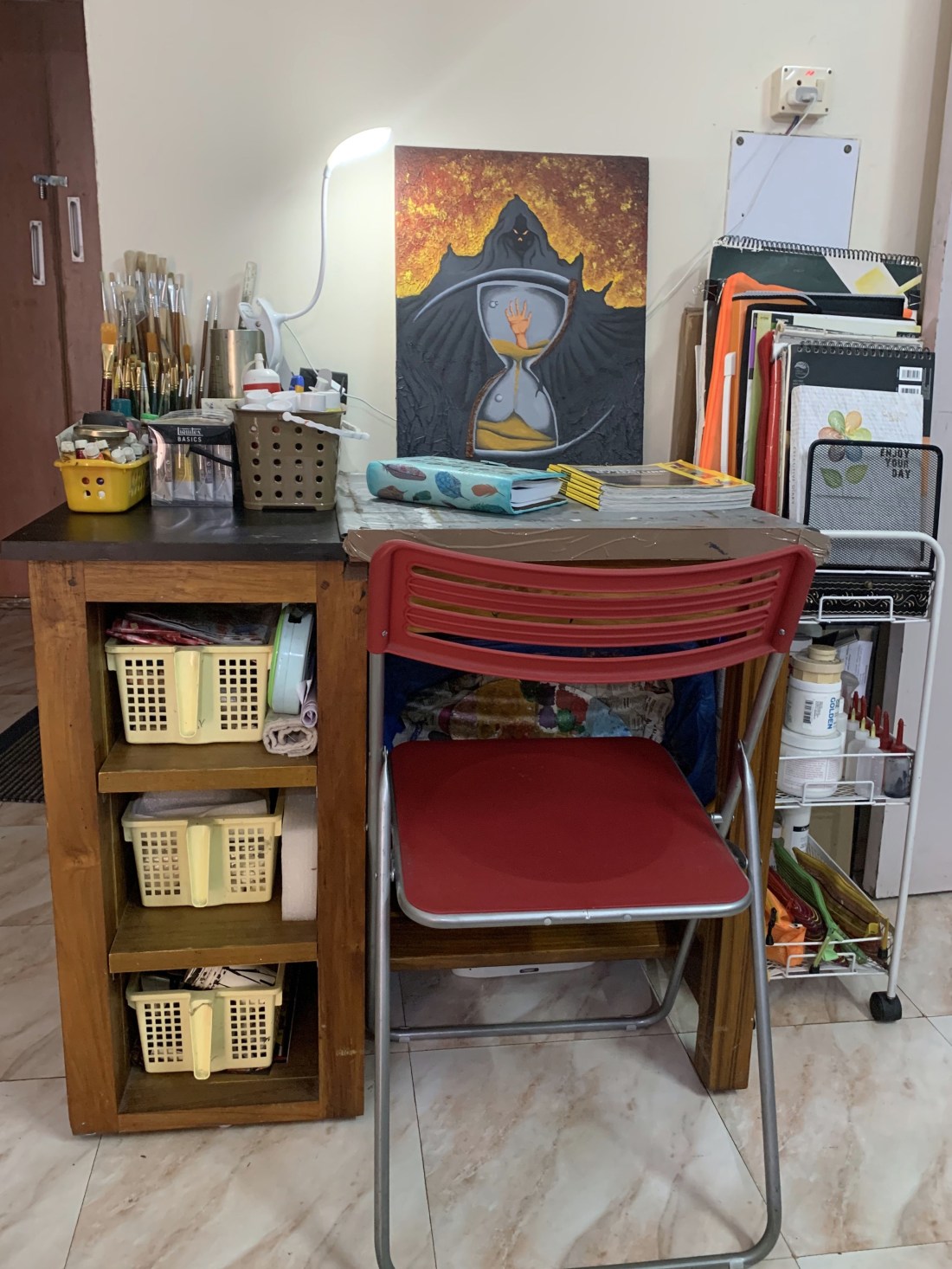
My Art Station

“Gather and hoard your inspirations as you live, then recapture them as needed in the studio” – Nita Engle (American Illustrator).

As artists, developing our artistic style is quite a demanding task and we will do whatever it takes to fine tune our skills. One of the most important aspects of creating art is the thinking process, but sometimes our aggressive brainstorming tendencies get the better of us and our struggle to attain perfection makes us over think.  Very often our surroundings can play an important role in boosting our creativity. This includes our workspace or studio which can be a major contributing factor towards attaining ultimate creativity.

I have found that most artists can paint almost anywhere. Armed with an easel and their art supplies, they can create great works of art out in the garden, while on the move in a bus and even in the smallest nook or corner they can find. Once they are engrossed in the art, their surroundings fade away. But having a space we can call our own can make that much more difference. Most artists find cheap spaces like abandoned warehouses or even their own garages and attics to innovatively transform them to suit their creative requirements. Not only are they cheap, but are also spacious and provide the artist the freedom of being messy. As someone rightly said, all good art comes out of creating a mess!

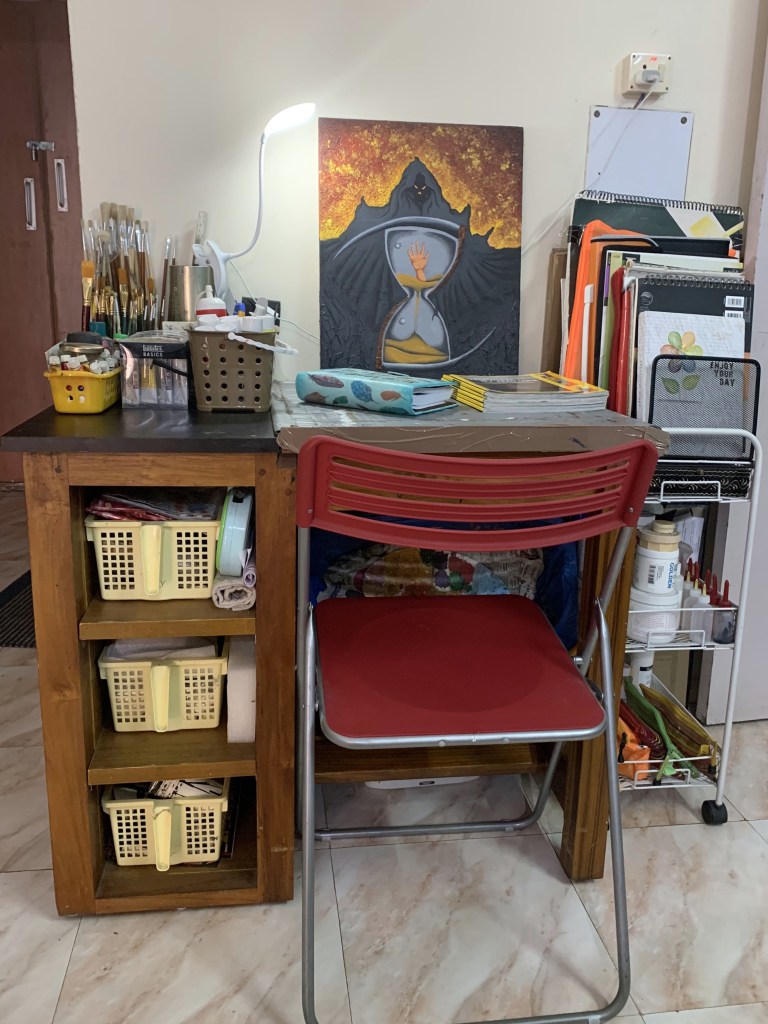
My most innovative concepts also take shape intuitively when I am where I love being the most – my Art Station. I call it my art station and not my studio because it is not an entire room that I have dedicated to my art, but just a small, comfy and cozy corner in my bedroom where I can embark on artistic pursuits, oblivious to the world around me. For me, just spending a few moments silently in my creative corner can give birth to my next innovative idea.

Even though I am an amateur artist who is not associated with any art galleries or working in a shared space, I still spend a lot of time alone in my art station. In this post, I’ll let you in on my personal creative space and how I let it grow and mature to keep up with the demands of my work.

When I had just started painting, I didn’t think I deserved a separate art area, let alone a studio.  I would just set up my easel, paints and other art materials wherever I found space, even if it was on the dining table or the bed. But soon enough, I realized that not only did it take up a lot of my time setting up, but also clearing up once I was done painting ate away into those precious moments that I could have added on to actually creating the artwork itself.  So the dining table and the bed were just not working for me!

Having realized that, I started looking for small spaces in my home to designate as my art area, where I had all my art supplies at my disposal anytime and every time. Eventually I cordoned off an area in my bedroom that served as my art station. Here, I can paint whenever my heart desires, without going through the hassle of setting up or worrying about cleaning the mess after I am done. I can just leave it all as it is and pick up again the next day from where I had left!  I love my art station and everything in it.

Creating as Art Studio in Your Home

So what does it take to create a work space for your art? For one, it is not the size of your creative space but its feasibility with respect to your work that matters. What I mean is that not only should your work station or studio space permit you to leave things as they are while the work is in progress but also fulfill all other requirements of your creative process.

Since size is not the primary criteria, your creative space can be an area of your bedroom, like mine is, a storage area or attic that can be converted into a creative space, or even your basement or garage for that matter. You could section off part of a larger room also using a folding screen or a curtain. Once this is taken care of, you can personalize your creative space with whatever inspires you.  This will make the space inviting and you will be motivated to spend more time there doing what you love doing the most – creating art!

Here are a few tips for sculpting your very own art retreat at home:

  • Decide on a spot The first step towards creating the ultimate creative area for your art is chalking out the physical space. This will be your creative haven, so put in all the love and care into it.
  • Surround yourself with what inspires youFill your creative space with objects and images that inspire and motivate you to make art. You can do this by pinning or sticking them up on a display board on the wall, something like an inspiration board. Not only is it always in front of your eyes, but also every time you find something visually exciting, you can simply tack it to this board. It’s that simple!
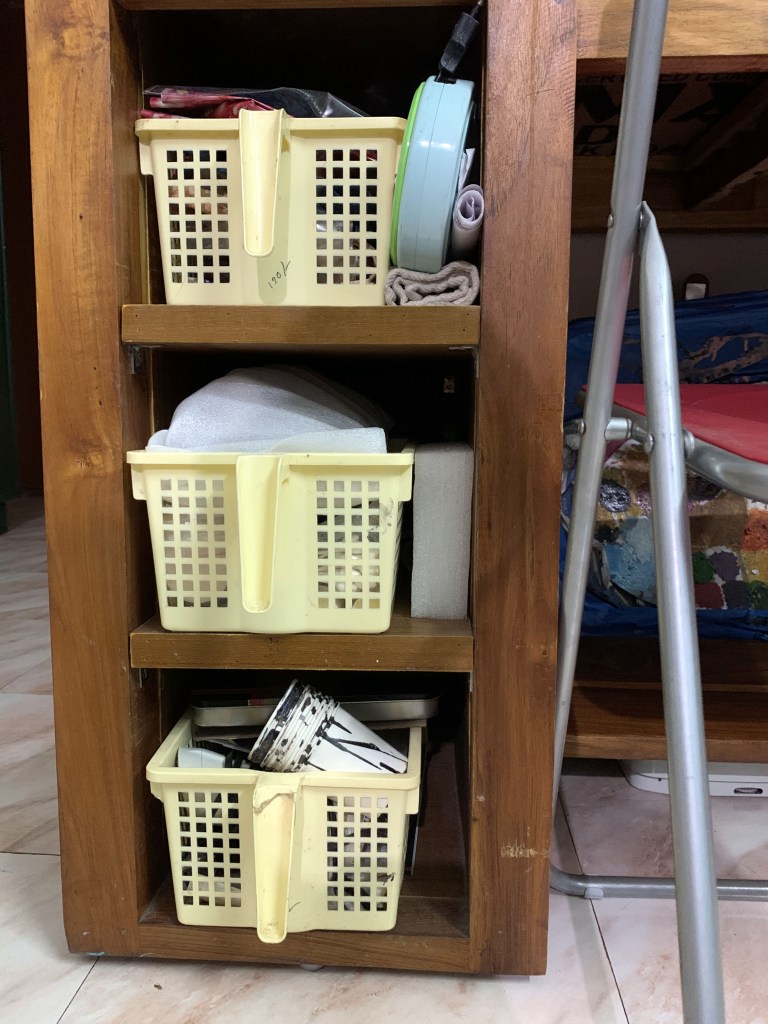
  • Dedicate a corner in a room of your choice for an art area. Use shelves, tables, racks etc., to separate out your art area in this room. For my art station, I got an art table custom made to my requirements with adequate shelving to hold baskets of my art materials. I got this table ergonomically designed keeping in mind the fact that I suffer from cervical spondylitis. So to ensure that my neck is not strained while I paint, the table top can be inclined vertically at various angles to suit my comfort. Another modification I made to my table was that I got the shelves made towards the left as I am left handed. Even my work area where I place my paints and color palette are towards the left. So there’s a custom made art table for all you lefties like me!
  • Another good option for an art space is a closet or clothing rack, if you have one to spare. All you need to do is clear some shelves to store your art supplies with a small table, chair in front of it and Voila! Your little art studio is ready!
  • Keep a fold-down table or chair handy. I have a couple of folding chairs which I use not just for sitting while I paint, but also for keeping my laptop, iPad and other knick knacks.
  • The garage, attic or basement are some more options for art studio spaces, provided you take care of the heating, cooling and humidity issues. This is crucial not just for protecting your art but also to make you comfortable while you work. Trust me, it’s no fun painting when you are sweating like a pig or freezing to death!
  • Get an art caddy with wheels. Even though I had this amazing custom made art table with adequate shelves to store my art supplies, after a while it was just not enough! So I invested in a cart with shelves that could be rolled on wheels. Not only did this sort out my storage woes, but also provided me with mobility and easier access to my art materials, without coming in the way of other things in my bedroom.

Here are a few ways I have personalized my creative space (while some of them I have already done, others are still part of my wish list!):

  • A display board where I can pin up anything and everything that inspires me be it images, quotes or my random doodles and scribbles.
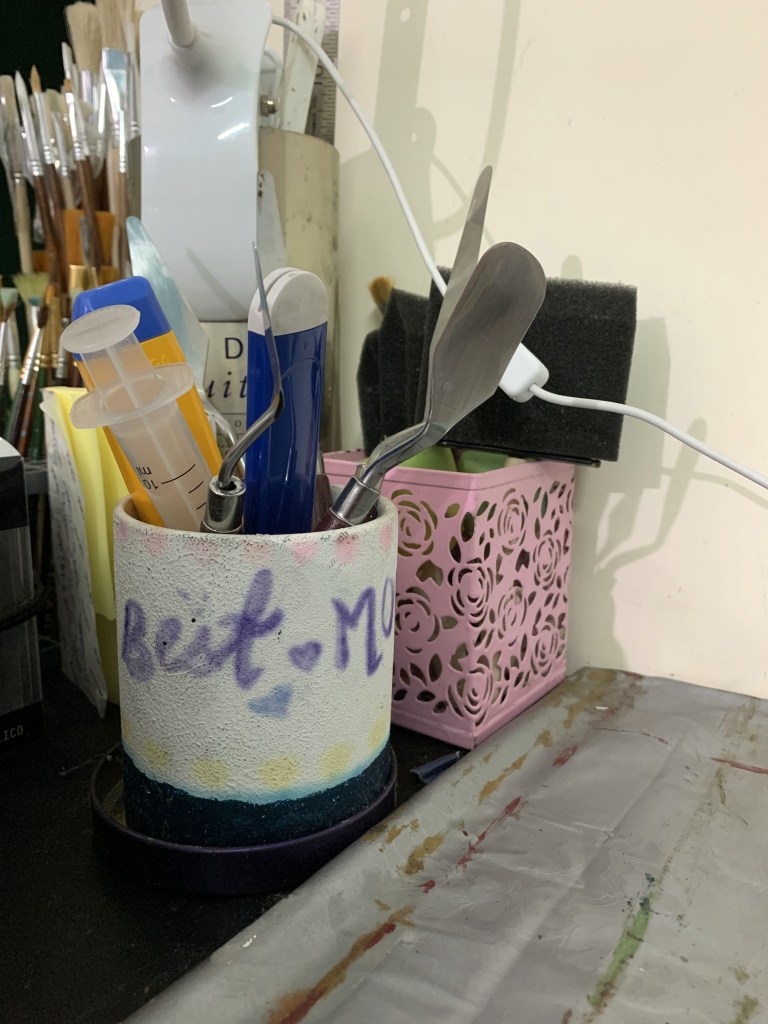
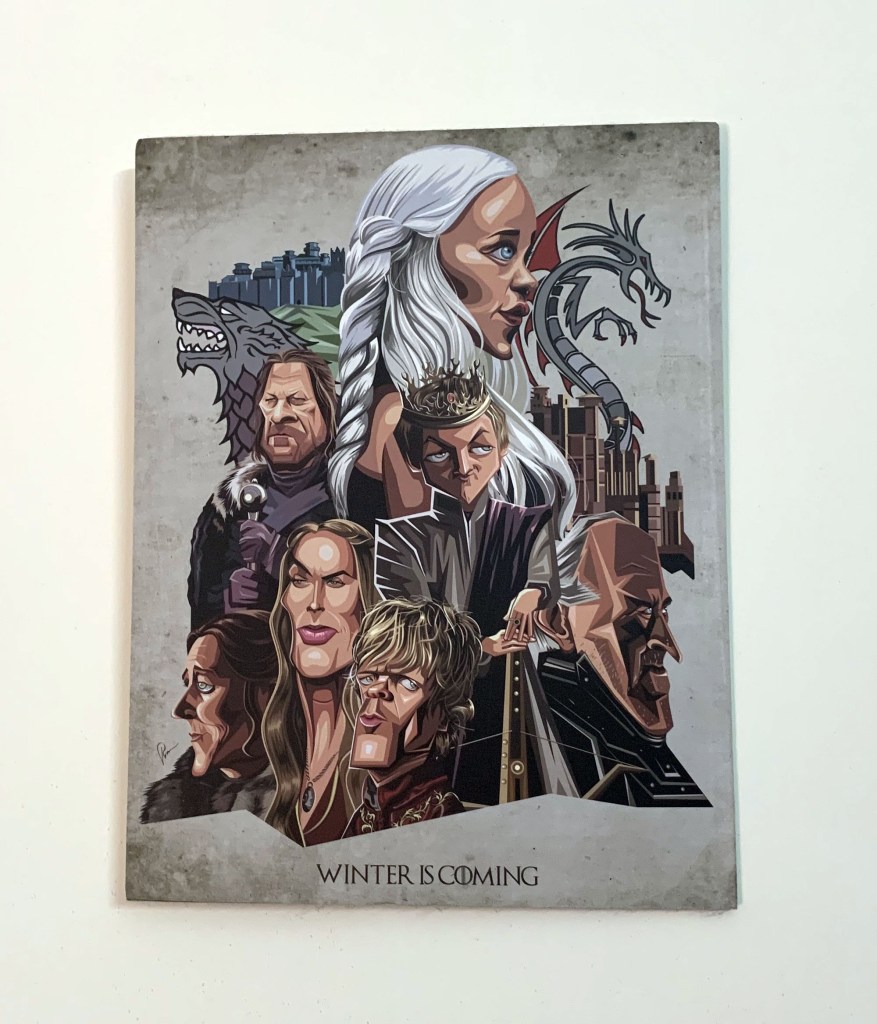
  • A collection of objects that I love or I am sentimentally attached to. For instance, my daughter gifted me a hand painted coffee mug on Mother’s Day and this has become a holder for my palette knives! A caricature artwork of Game of Throne characters adorns the wall just above my art table. I fell in love with it not just because I am a GOT fan, but also because it inspires me artistically.
  • A list of my goals and challenges. These are listed out in my planner.
  • A calendar and planner to track my progress (once again part of my planner diary).
My planner and calendar diary
  • Images of my favorite projects and published or commissioned works which I keep in folders (I am obsessed with being organized!)
  • A small sound system to play my favorite music while I work (Usually my iPad and Bluetooth speaker).
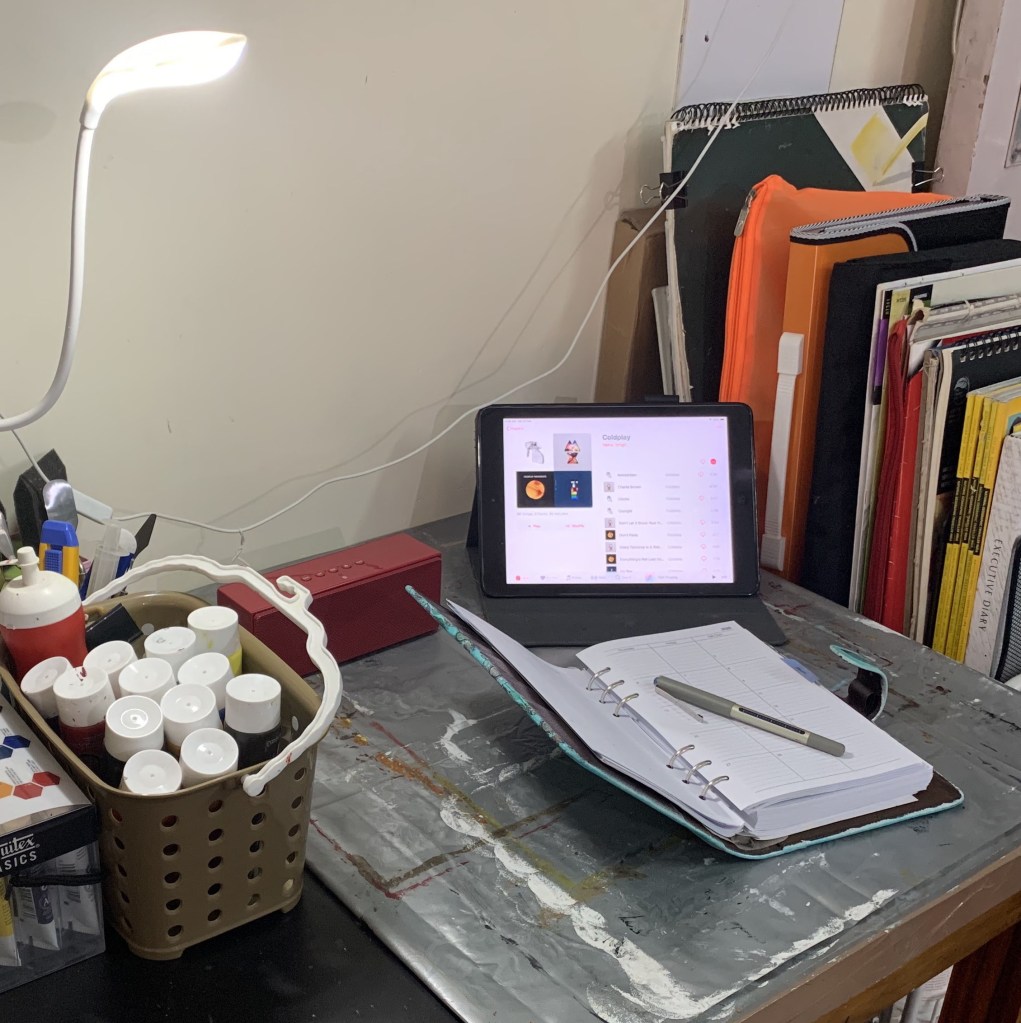
My music buddies

While I’m still far from creating a gorgeous studio like the ones owned by seasoned artists, I am totally in love with this little personal corner that is solely dedicated to my art.  I believe that if art is all you really live for, even the smallest space can be transformed into a creative haven. It’s about making your art a priority.

Apart from these, here’s a list of supplies and essentials that I keep in my art station:

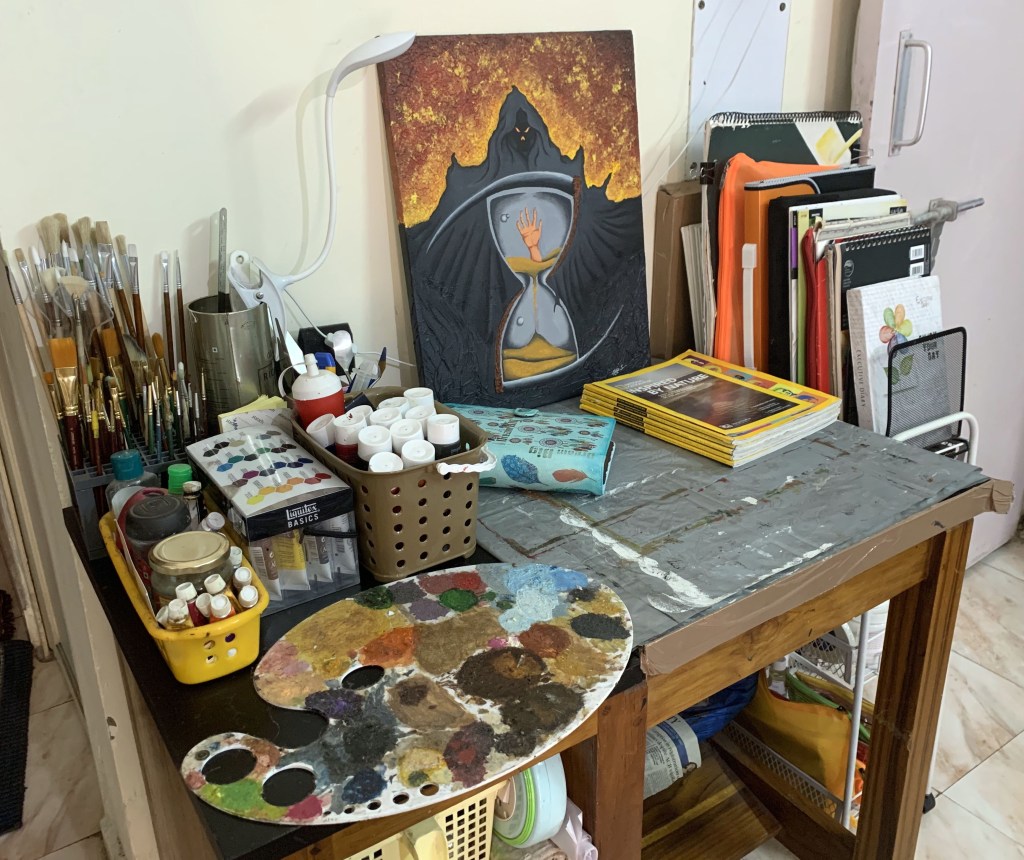
  • Paint Brush Holder – This is basically a functional organizer with slots of different sizes to hold my assortment of paint brushes. You can even use it to store other things like pens, markers, pencils etc. These can be found in any good art store or online stores.
  • Paints, Brushes, Pencil Colors, Pens, Markers – As an artist, these are obviously a must. How you store them, is entirely up to you. I like to store them separately in baskets that I keep in the shelves of my table (OCD for being organized yet again!)
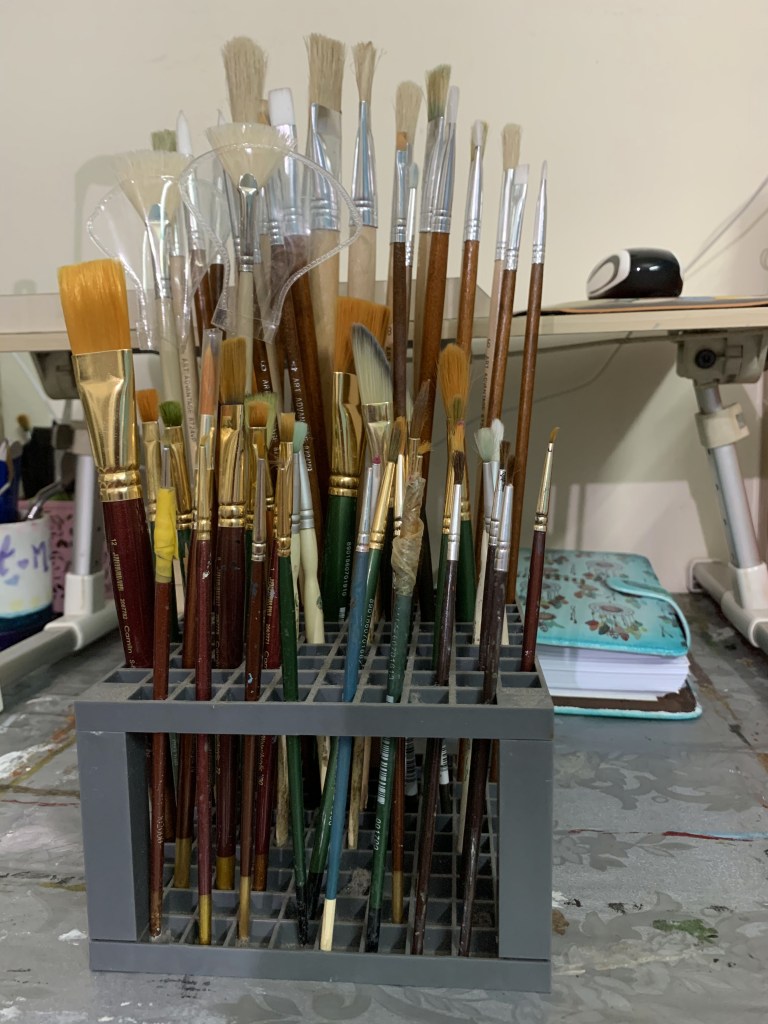
My paint brush holder
  • Easels – I have a couple of easels, one large and the other small that I can use for bigger and smaller canvases respectively.
  • Seating Arrangement Having a chair to work on is a lifesaver when my back starts to give up on me. A comfortable chair also gives me a chance to sit back and review my work critically as I paint.
  • Laptop – I often use photographs and computer images as a reference point for my art so having my laptop at close quarters comes in handy.
My digital companion always by my side
  • Music – I love to have music playing in the background while I paint.  So I have my iPad connected to my blue tooth speaker playing my favorite tracks to lift my spirits.
My iPad and Bluetooth speaker to play my favorite tunes
  • Storage – As mentioned earlier, I have sufficient storage space in the form of the inbuilt shelves of my art table, my mobile art caddy and my assortment of baskets and organizers for my art supplies. The only thing I am lacking now is an arrangement for storing my painted as well as unpainted canvases safely. So even though presently I just line them up on top of tables, stools, cupboards or practically wherever I find the space, I am working on this project!
  • Art Books – I am pretty proud of my small yet valuable collection of art books. I look up to them for inspiration whenever I am struggling with an idea or a technique for a particular painting or may just read up on the great masters of art with the hope of magically imbibing some of their talent!  
  • Inspiration Board – This one I am yet to get! I have so many pictures and photographs that I have collected from various sources like magazines, journals, newspapers etc., but most of them are lying tucked away inside some file or folder. Guess it’s time for me to dish them out and tack them up on the wall!
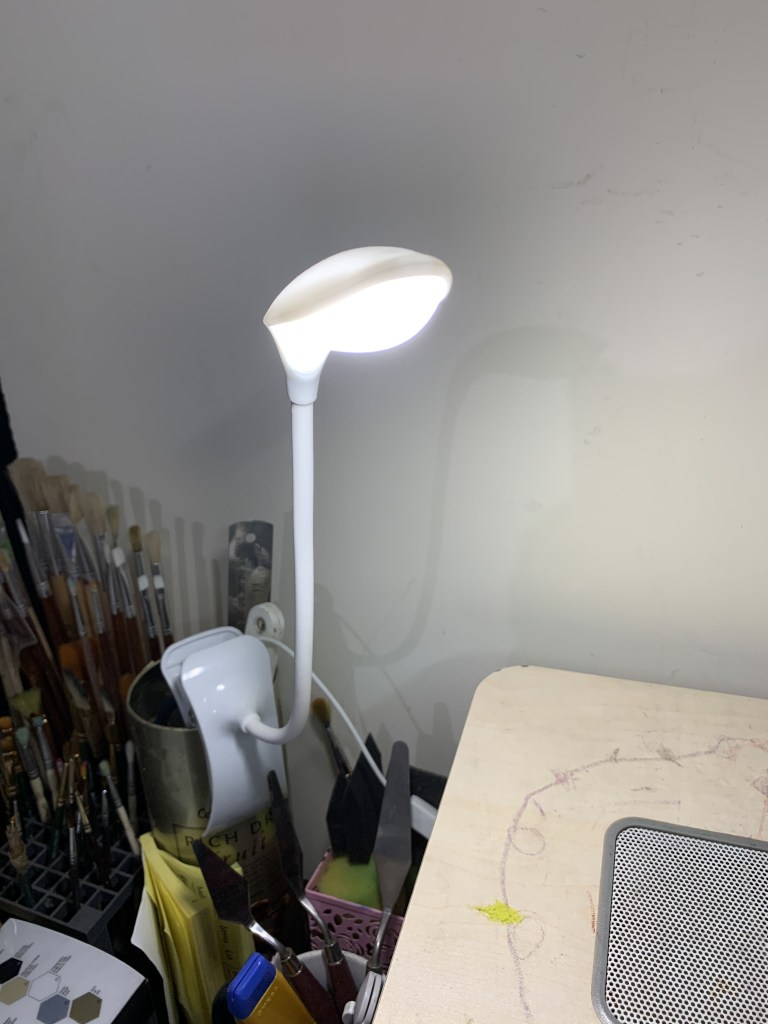
  • Good Lighting – Now this is THE most essential thing to have for an artist! Although natural light is the best, but owing to space constraints, I had to place my art station at a spot which does not get any. So I have to make do with a portable clip-on lamp that focuses light directly onto my canvas. It may not be as good as natural light but it gives me a good enough idea of the values of colors I am using.

As I said, the biggest advantage of having a personal space for creating your art is that you can leave things as they are while the work is in progress. This will give you extra bits of time that can be put to effective use towards creating or even fine tuning the artwork itself. These added moments will not only give you a chance to improve on your art but also help you finish it well before your intended target.

The entire process of assigning a creative space not only improves productivity, but also provides you with a feeling of joy and contentment. Your confidence levels get a major boost when you are in your personal creative space and your aspirations get renewed too.

The best part about being an artist is that you don’t need a testament to prove you are one. How you see and experience the world around you is totally up to you. Having a studio or a creative area doesn’t mean that you are limited by its physical space and neither do the things inside it determine what kind of work will sell and what will not. For us artists there are no limits.  Don’t smother your creativity by walking into your studio each day thinking what you should make that will be liked or that will sell. Just have fun creating art. Very often people fail to make this small but significant commitment. Have a place to work where you can give your thoughts wings and soar away into the vast expanses of creativity.  

 I hope this motivates you to start looking around your house for potential areas that you could turn into your art space. Paint it a different color from the rest of the room. Add some interesting as well as functional furniture. Put some items that are close to your heart.  Stock up on all your necessary supplies that you would like to keep in your art space. Maybe even christen it with a special name! Let the space speak to you and let it grow with your work.

I’d love to hear about your creative space. What are your essentials for your workspace and how have you personalized it? What are your trade secrets for storage? Do let me in on your own creative corners!

DISCLAIMER – All the information, data and imagery in this blog post is for informational and educational purpose only. While there may be copyrighted material the use of which has not always been specifically authorized by the copyright owner, I have only made it available with the sole effort to stimulate creative progress and artistic enrichment. Some images may have been taken from the links included below and I give full credit to these websites/pages, thereby in no way claiming them to be my own. I have also used these links for reference purposes and collection of data; therefore I give full credit to the respective web pages. Most of the data in this post is based on my personal experiences and opinions and I am not responsible for any material that is found in the links at the end of this post.

Sources and Photo Credits –

http://www.art-quotes.com/getquotes.php?catid=292#.Xk9xLSgzbIU

https://www.artworkarchive.com/blog/art-quotes-to-guide-your-studio-practice

https://www.brit.co/create-the-ultimate-creative-space/

My Favorite Artist

“The human mind works in a peculiar way: we tend to cling to the past and be overcritical about the present. That’s why modern art often comes under attack. We compare new creations with classic masterpieces and seek out the smallest flaws. Perhaps the grass used to be greener a few centuries but it doesn’t mean that talented people stopped being born in our lifetime! Here is a living illustration.” Leonid Afremov.

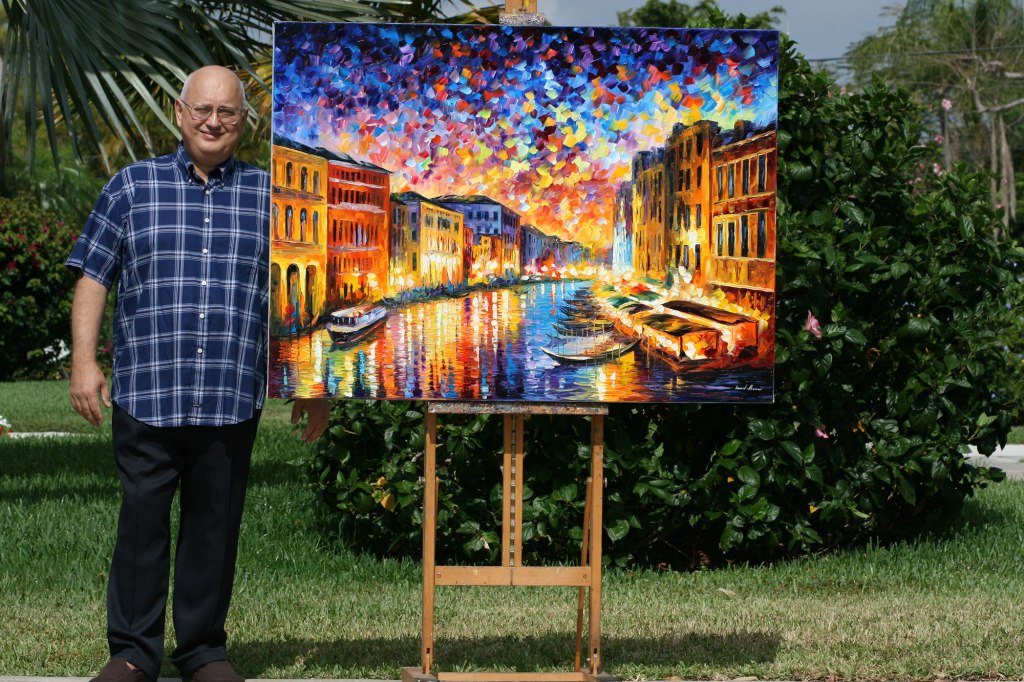
I might have mentioned the name Leonid Afremov before in several of my earlier posts. Not only is he my all time favorite artist, but also my source of inspiration. I more or less idealize him when it comes to art several of my works are influenced by his style and technique. In today’s post, I will talk about what it is that got me hooked on to his work and how I have attempted to incorporate his iconic style in my own art.

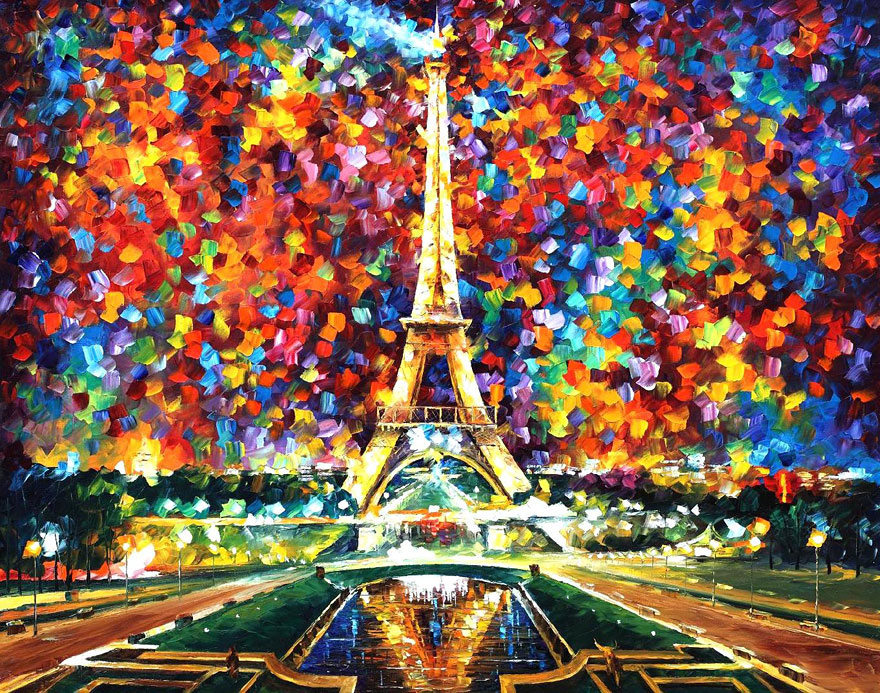
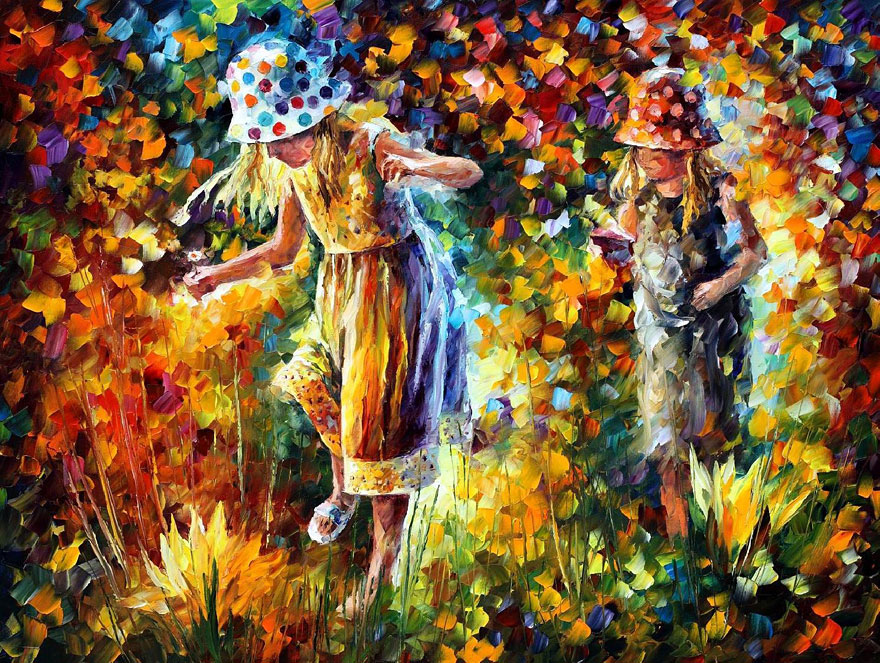
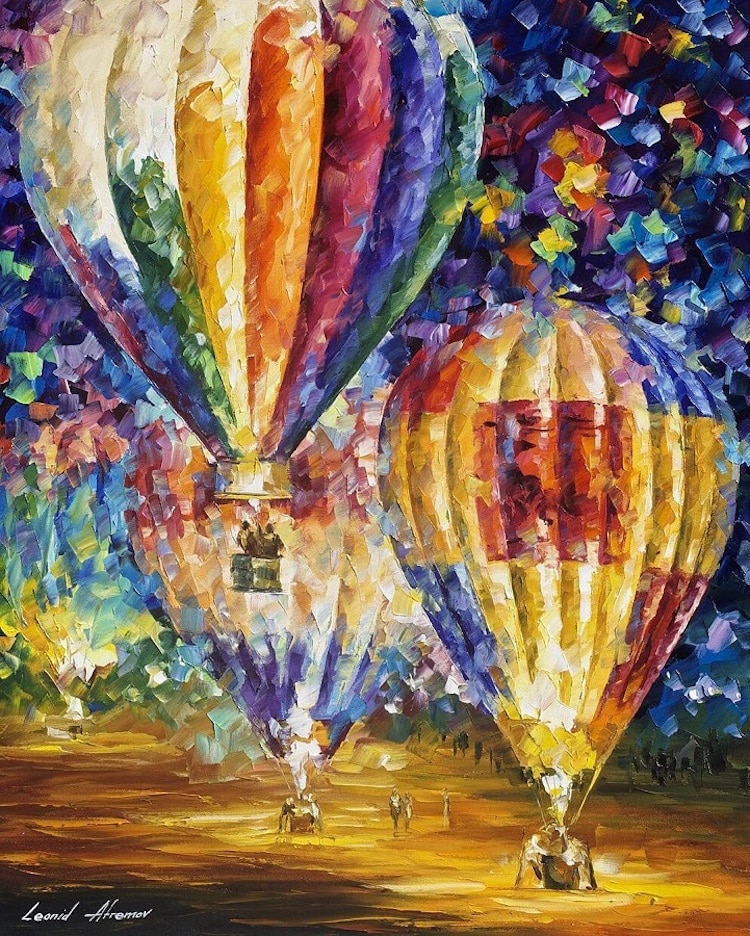
Leonid Afremov was a Russian–Israeli modern impressionistic artist who worked with palette knives and oils to produce some bright and cheerful art. Over the last 25 years, he developed his own personal style and technique which differentiated him from other artists. He mainly painted landscapes, city scenes, vintage cars, seascapes, cats playing jazz and flowers. He formed distinctive pieces with bold knife cuts and color contrasts that conveyed a wide range of jubilant emotions.

Afremov generally worked with photographs taken from his world travels, which he used as a reference point for most of his paintings.  His work reflected a personal memory or emotion, focusing on a feeling rather than a story. He skillfully combined the palette knife with bright colors to produce a positive reflection of his surroundings, thus making each artwork as attractive as the next. This unusual yet unique technique of painting where he uses only oils, canvas, and the palette-knife appealed to anyone and everyone, regardless of their age, social or ethnic background. The elegant play of the vibrant colors in Afremov’s paintings gives art lovers a nostalgic feel of luxurious autumnal cities. His pictures seem to slow down time, letting us enjoy the precious details of these brisk and luminous landscapes.

Leonid Afremov was one of the greatest and best-known modern art impressionists of our time. He was and still is highly respected among art critics and collectors. His beautiful paintings have made their way to private houses and galleries in the USA, Canada, New Zealand, Australia, Israel, France, Spain, and many other countries. This is even more admirable knowing that the artist was self-representing and all of his promoting and selling processes were only held on the Internet with very few exhibitions and very little involvement of dealers and galleries. His self-developed technique and style is unmistakable and cannot be confused with other artists. Most of his work is considered very politically neutral.

Afremov was born on 12 July 1955 in Vitebsk, Belarus and passed away on 19 August 2019 at Playa Del Carmen, Quintana Roo, Mexico due to cardiac arrest. Before the advancement of online sales and eBay, Afremov was a struggling artist. He lived in Vitebsk, Belarus until 1990. Between 1990 and 2002 he lived in Israel and from 2002 to 2010 in Boca Raton, Florida. 

Afremov was born to Jewish parents Bella Afremova and Arkadiy Afremov. His father was a shoe designer and shoemaker. His mother worked in a metal factory in Vitebsk. He was born in the same town as Marc Chagall, who later became a significant role model to Afremov.

In 1973 Leonid Afremov graduated with honors from his high school in Vitebsk and was admitted to the Vitebsk Education Institute where he studied in the arts and graphics department. During his years in college, Afremov was introduced to the work of Marc Chagall, Picasso, Dali, Modigliani and the 19th century French Impressionism. His early artistic work was greatly influenced by Chagall and Modigliani. During his years in college, Afremov participated in various school exhibitions and even sold some paintings. In 1978 Afremov graduated from the Vitebsk Art School as one of their elite members. After that he took private lessons from local famous artist Barowski who was teaching art when Marc Chagall was still living in Vitebsk.

Life and career in Soviet Russia from 1976 to 1990

After graduating from college, Afremov worked as a label designer in a local beer and liquor factory. Then he briefly worked in a local theater as a set designer.

In the early 1980’s he started doing freelance work for communal farms and schools, designing and making various propaganda posters, themed rooms and walls for certain communist events and holidays. He was also doing template sculptures of Lenin from plaster. He had a very good reputation in that field and was invited back by many farms and schools. This type of work was available only during the summer and spring.

During the cold Russian winter, Afremov stayed at home painting. He was not allowed to participate in government exhibitions because of his Jewish roots and was not allowed to be a member of the local art associations. His early work was sold privately via family and friends and was not seen by many people. A lot of his work in the 1980’s was just given away for free. He did not keep records of his work then and not much of it survived.

In 1986 the Chernobyl disaster happened. Vitebsk was only a few hundred kilometers from Chernobyl, close enough for radiation to travel with the wind and rain. The ecological situation in the area worsened, with the local crops and water becoming contaminated with radioactive fallout. Small children were affected severely, including Afremov’s two year old son. At the same time Leonid Afremov was experiencing serious discrimination for his Jewish heritage. The liberal politics of Mikhail Gorbachev allowed Jewish soviet citizens to migrate to Israel in the late 1980s. Fed up with anti-semitism and problems caused by radiation, Leonid decided to move to Israel without hesitation as soon as the doors were opened.

Life and career in Israel from 1990 to 2002

A few weeks after moving to Israel, Leonid Afremov found a job in an advertisement agency making signs and posters. After working in an advertisement agency, he worked in a gallery shop where he learned to make frames, being introduced to the palette knife for the first time.

Being a recent Russian immigrant, his work was not considered to be of great value by the locals. Galleries took paintings for 50 shekels (15USD) and were reselling them for 500 to 5000 shekels. The galleries refused to sell his work for percentage commissions just because he was a Russian immigrant. He was only given the option of a pittance for each painting which took a day to make. Afremov felt exploited and discriminated by the galleries and the Israeli society just like he was by the Soviet Government. He attempted to sell his art at street fairs and exhibitions in local social clubs. However, it was difficult because of the social stigma of Russian immigrants.

During the early 1990s, Leonid Afremov was mainly working with watercolors and acrylic. He was experimenting very little with usage of the palette knife. He painted what people were buying, with very little artistic freedom. In 1994, out of extreme desperation, his 16-year-old son Dmitry tried to sell Leonid’s paintings door to door around the neighborhood, This practice proved itself very effective, and Afremov suddenly started selling many pieces he painted and was getting slightly better prices than from selling directly to galleries. Dmitry proved himself to be a good door-to-door salesman. He was selling Leonid’s paintings in the new neighborhoods where recent Russian Immigrants were living.

 In 1995, Leonid acquired enough funds to open his own gallery and frame shop in Ashdod. The gallery was not popular among local Israelis; it was mainly visited by fellow Russian immigrants. The gallery was vandalized and broken into on several occasions. The local Israeli newspapers were refusing to publish advertisements for Afremov’s Gallery, and he was mainly advertising via Russian immigrant press and radio station. However, artistic freedom could not be achieved completely.

Around 1999, Leonid became friends with Russian-speaking Israeli jazz musician Leonid Ptashka, who inspired Afremov to paint a collection of portraits of popular jazz musicians and helped him secure a successful exhibition in the International Jazz Festival in Ashdod. Since then, Leonid Afremov has painted dozens of his favorite musicians.

In March 2001, Afremov’s gallery was completely vandalized. Dozens of paintings were destroyed, the artistic equipment stolen and the facility turned into rubble. Then Leonid decided it was time to move somewhere else where he would be treated with respect, eventually moving to the USA in January 2002.

Life and career in USA from 2002 to 2010

Leonid Afremov prepared for his move to USA very carefully. For several months he did not sell any paintings and sent everything he painted to his sister in Brooklyn. When he arrived in the US in January 2002, he had more than one hundred paintings at his disposal. Along with his son, he visited several galleries in New York. Some of these liked and purchased his paintings, however they only picked up Judaic themes and musician portraits. This forced Afremov to paint only limited themes and subjects in order to make a living.

Leonid had good opportunities in New York but the cold climate affected his health. He was constantly struggling with arthritis and muscular pain caused by drastic temperature changes. Thus he moved to Fort Lauderdale in April 2002. In Florida, Afremov faced the same changeless like in New York, selling only certain themes and subjects that the galleries wanted and were able to sell.

In 2004, after graduating from high school, Leonid’s son Boris was introduced to eBay by his friends. They tried to auction some of Leonid’s paintings with positive results. Paintings were sold for hundreds and sometimes thousands of dollars and everything sold without exception. For the first time Afremov was given the opportunity to paint what he really wanted. This was when his real artistic journey began. He started painting what he really wanted from his personal inspirations and was finally able to explore his artistic vision and abilities all the way.

The exposure on eBay gave him opportunities for commission orders and access to different galleries. However, because of past bitter experiences with galleries, Leonid preferred to sell directly to the collector. Thanks to the internet exposure, Afremov participated in various local TV shows around the USA.

In 2007 with the help of his sons Leonid launched his own personal site where he began selling giclees, prints and original painting, eventually moving all the business and attention to his personal site. Two years later Leonid underwent heart bypass procedures. The doctors recommended Leonid to stay away from managing a business, keep a calm lifestyle and ultimately retire. It was then that his sons Boris and Dmitry started handling his sales, customer service and shipping.

Recent life and career in Mexico

In 2005 Leonid Afremov vacationed in Playa del Carmen and Cancun for the first time. Thereafter he visited the Mexican Caribbean 2 to 3 times in a year and completely fell in love with the place. Eventually in March 2010 Leonid decided to take on early retirement recommended by his doctors and moved to Playa del Carmen, a popular resort town near Cancun. By now his children were so involved in his business that they had to move to Mexico as well and managed his virtual gallery and shipping office in Playa del Carmen. The Afremovs also have locations in Cancun and Cozumel where they sell art during the busy tourist season in the winter. Leonid found Caribbean Mexico very relaxing and stress free. In 2011 Leonid sponsored the construction of his own personal ranch near Puerto Morelos where he spent much of his time.

Afremov’s Artistic Philosophy

Leonid Afremov kept majority of his art politically neutral. His paintings are not offensive to anyone nor send any hidden messages. They usually reflect certain personal memories and emotions. Afremov tried to draw the viewer’s attention towards a certain feeling rather than tell a story through his painting. He wanted his viewers to see the world through his eyes. The neutral attributes of Afremov’s art make the paintings appealing to almost all strata of society. He travelled quite extensively and took many photographs of different scenes that he later painted. Almost every painting he painted has a very personal inspiration. His art can be reflected as very positive through the bright colors he used. In fact, it was declared very relaxing and calming by notable psychologists and psychiatrists who make use of his painting in various psychological and psychiatric therapy procedures. Afremov’s paintings were published not only in art magazines but also in various medical and health magazines as examples of stress reducing paintings.

Afremov loved cats and other animals, hence painted many with cats, dogs, horses, tigers and even giraffes. The only political paintings he did were of bull-fighting, where he tried to show the viewer the cruel nature of the sport and discourage people from liking it. 

 After reading Leonid Afremov’s bio, one can understand how he attained success. Struggling for his individuality and artistic freedom, he managed to create his own style based on the experiences of the most outstanding artists. While Afremov’s early works were influenced by the masterpieces of older painters, his later artworks are very unique and recognizable.

According to Mr. Afremov, art is not something elite, understandable for a small circle of intellectuals only. He didn’t want to put any complicated hidden messages into his work – on the contrary, he wants his paintings to be intuitively close to everyone. When one looks at those autumn parks, lantern-lit alleys and vibrant cityscapes, the idea is rather clear. The artist invites his viewers to the world of simple beauty all around, but we are all too busy to stop for a moment and enjoy it. If an artist can open his viewers’ eyes to that, then his creations are not in vain.

Afremov proved that elegance and delicacy are elements of art that are still alive. While many artists try to shock the public with something slangy, this painter respected traditions. He didn’t follow them automatically but took the best from every style.  Modern art need not be incomprehensible. It can be meaningful and clear – that’s the idea behind his paintings.

Here’s a collection of his paintings that are my personal favorites:

Afremov’s Technique

Using his unique knife painting technique and unmistakable style, Afremov created paintings that seem to explode in millions of bright colors. Focusing primarily on land and seascapes, he formed distinctive pieces with bold knife cuts and colour contrasts that conveyed a range of jubilant emotions. His artistic philosophy rests on the idea that art is not only for elite, but rather something that everyone should have the opportunity to appreciate. His pieces maintain a characteristic ebb and flow, with colours and textures woven together to form an emotive gradient that captures one’s attention, first with bright colours and then with the technique.

Joyful and radiant, Afremov’s animated artwork achieve an emotional connection that personally touches those who respond to his talent. Afremov had the ability to touch a wide audience by focusing on keeping his artwork simple and politically neutral. The artist’s work doesn’t aim to offend anyone or reveal any deeper messages, but seeks to speak for itself by reflecting memories and emotions that are universally relateable.

My Art Inspired by Afremov

Besides being greatly influenced by the distinct and trademark style of Afremov, I was also drawn towards the vibrant color palette that he uses for his paintings. I believe it is these two features about his art that appeal to me the most. It is my constant endeavor to incorporate his technique as well as his exuberant colors and textures into my work. Having said that, I try to cautious not to mimic or clone his style and produce identical replicas of his work. My objective is only to apply the best of his skills to further enhance mine.

Keeping this in mind, I have attempted to add my own little twist to his palette knife technique. Instead of applying paint in thick daubs with a palette knife, I tried doing so with a paint brush, while keeping the thickness of the paint intact. Even though the effects were not the same as those achieved by Afremov with his method, what I got was pretty close, yet different enough. In order to polish up my technique, I first experimented with a couple of Afremov’s paintings themselves as part of a process of their recreation, but in my own unique way.

Quite often I mix my paints with modeling paste or a similar thickening agent in order to attain specific textural effects in my artworks. This is another special touch that I have added to further enhance my version of Afremov’s style of painting, thereby aiming to acquire similar results. It was a learning experience that has paved the path towards developing my individualistic signature style which I applied to several of my paintings later on.

Here are some visuals of the works I did with my favorite artist’s paintings in order to fine tune my process followed by artworks that were inspired by his technique. Hope you all enjoy looking at them as much as I enjoyed painting them!      

DISCLAIMER – All the information, data and imagery in this blog post is for informational and educational purpose only. While there may be copyrighted material the use of which has not always been specifically authorized by the copyright owner, I have only made it available with the sole effort to stimulate creative progress and artistic enrichment. Some images may have been taken from the links included below and I give full credit to these websites/pages, thereby in no way claiming them to be my own. I have also used these links for reference purposes and collection of data; therefore I give full credit to the respective web pages. Most of the data in this post is based on my personal experiences and opinions and I am not responsible for any material that is found in the links at the end of this post.

Sources and Photo Credits –

https://afremov.com/

Art as Magazine Covers

Ever come across magazine covers designed by famous artists of the likes of Da Vinci, Van Gogh or Picasso? If you haven’t, then read on!

You’ll be pleasantly surprised to know that many famous masters of art have contributed their artistic prowess towards the creation of some of the most innovative and awe-inspiring covers for these periodical publications.

Here’s a blast from the past of a few acclaimed works of distinguished artists featured in some of the most well-known and historical magazines known to man.  

Works of Henri Matisse

The renowned artist Henri Matisse was hired by the publisher George Macy to illustrate a limited edition of 1500 of James Joyce’s Ulysses, concurrent with the book’s initial mid-1930s publication. But, Matisse chose to illustrate Homer’s Odyssey instead. The leather bound foil stamped case cover was unlike anything created by this artist before.

Matisse also designed the cover for his own book of paper collages, Jazz and very often also designed covers for other authors and magazines. One such case is his cover for photographer Henri Cartier Bresson’s 1952 book The Decisive Moment. This solely displays his own art and hand-lettering.

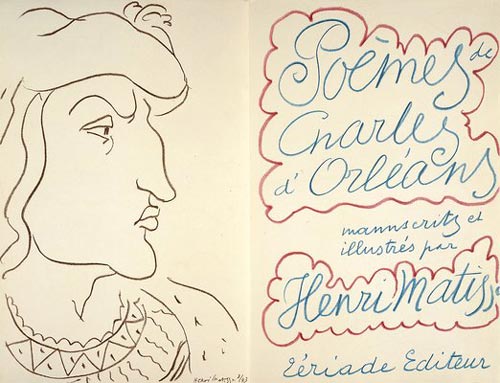
Other covers designed by him include the 1946 edition Lettres Portugaises (Portuguese Letters), credited to the 17th-century Franciscan nun Mariana Alcoforado, and the 1952 biography of French poet Guillaume Apollinaire, for a limited edition of 380 copies. It also included 8 original lithos, two as the endpapers and the other six within the interior. Two years prior he designed a limited edition of the fifteenth century French poet Charles d’Orléans, a work Matisse began in 1943, interrupted by the war. All limited editions of 1200 were signed and numbered by Matisse in pencil on the frontpiece lithograph.

He also designed several posters throughout his career for which he would usually leave space for others to place set type. However, there are some that feature his distinctive hand-lettering.

Works of Pablo Picasso

Besides Henri Matisse, Pablo Picasso is regarded as one of the most influential artists of the 20th century. Known as the father of the Cubist movement (alongside Frenchman Georges Braque and fellow Spaniard Juan Gris) he  is also credited with the co-creation of collage (with Braque); the invention of constructed sculpture; as well as myriad printmaking, ceramics, stage design and painting periods and styles throughout his long career.

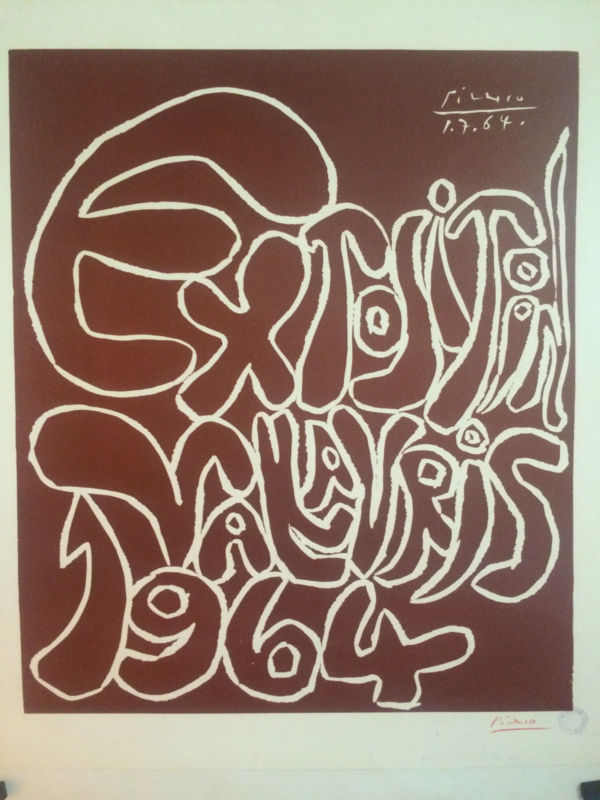
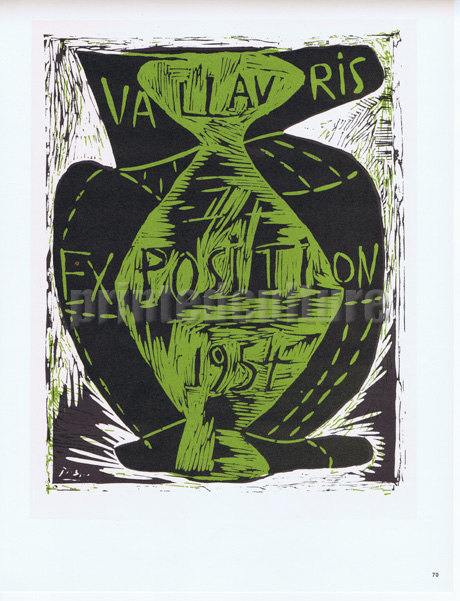
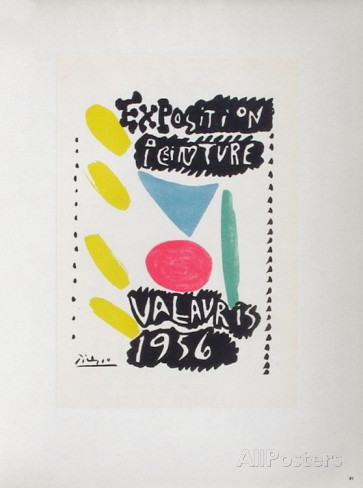
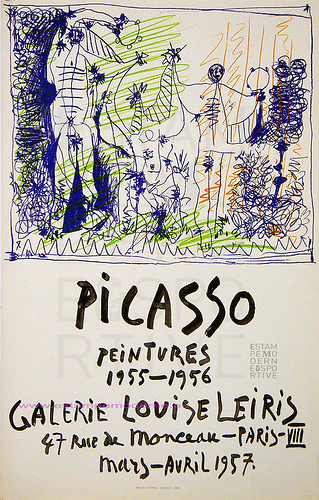
His experiments with graphic design led to exhibition posters for his own work; however there were magazine and book covers as well. There were also commissioned posters for the French Alps town of Vallauris, to promote their area as a perfume and pottery center of production following World War II. Picasso lived there beginning in 1948, and designed and illustrated these posters through the 1960s.

Of particular interest in these works is his approach to designing typography. In addition, reoccurring themes appear, similar to his other work, such as goats, bulls, doves and the human face. Along with the exhibition posters he also designed peace posters. He was a member of the Communist Party throughout his adult life, and remained neutral during both world wars and the Spanish Civil War, strongly advocating peace.

A poster for film “The Battle on the River Neretva” (1969) was made by Pablo Picasso, and it was only one of two movie posters that he made. He did it as a great fan of Yugoslavian movies and, according to people who were involved in filming, he did not ask for money for the poster–all he wanted was a case of Yugoslavia’s finest wines. This special poster was printed in only 80 editions.

Works by Dali, Picasso, Braque & More

As evident above, in the early 20th century, the line between fine art and graphic design began to fade, which eventually became clear in the design work of Henri Matisse and Pablo Picasso. Here are some more captivating magazine covers by the likes of Dali, Matisse, Picasso, Braque and other famous fine artists to further support this:

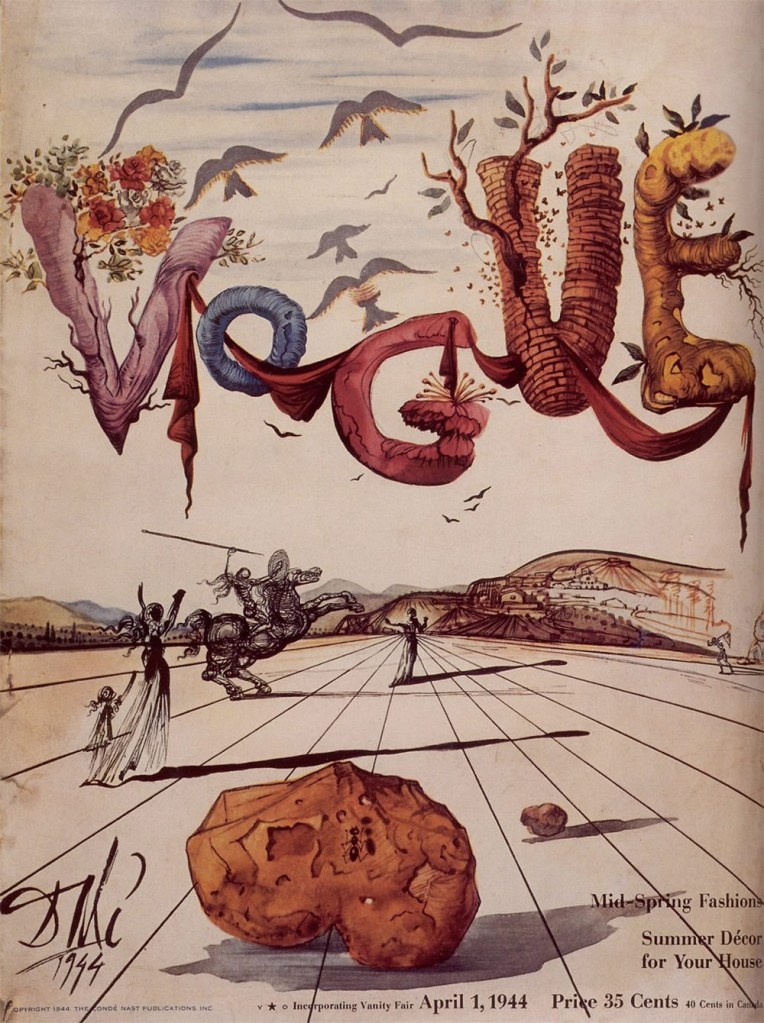
Salvador Dalí

The world of fashion in itself is surreal in nature thus making the father of Surrealism, Dalí and fashion magazine, Vogue a perfect match. He created many works for the magazine, one of his earliest being its April 1944 cover. The artist employed many of his usual concepts, from the open and accented perspective, to images of stones, insects and a horseman. Even his rendering of the magazine title is a surreal collage of images and textures.

Verve: The Ultimate Review of Art and Literature

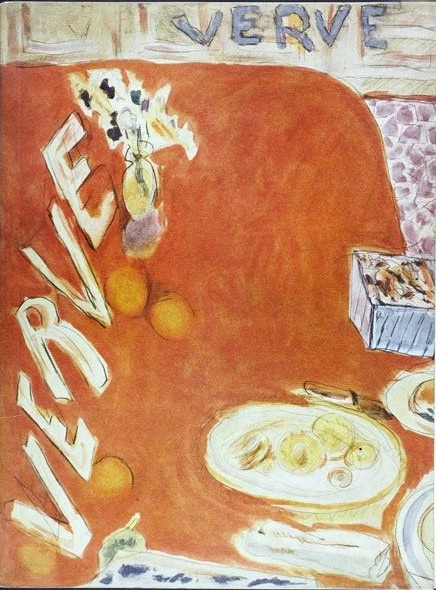
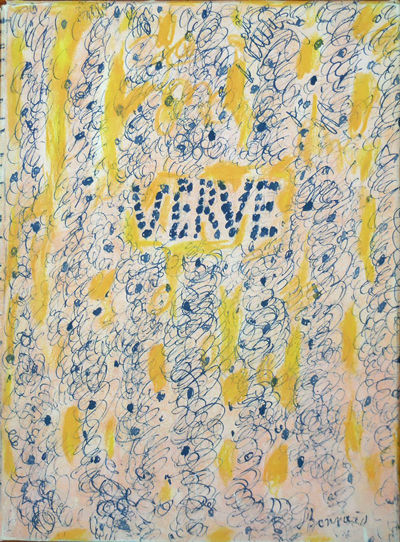
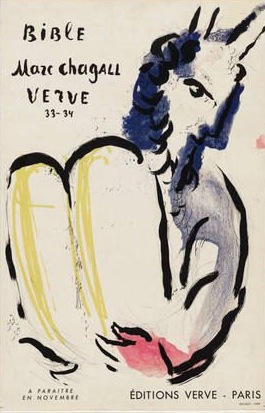
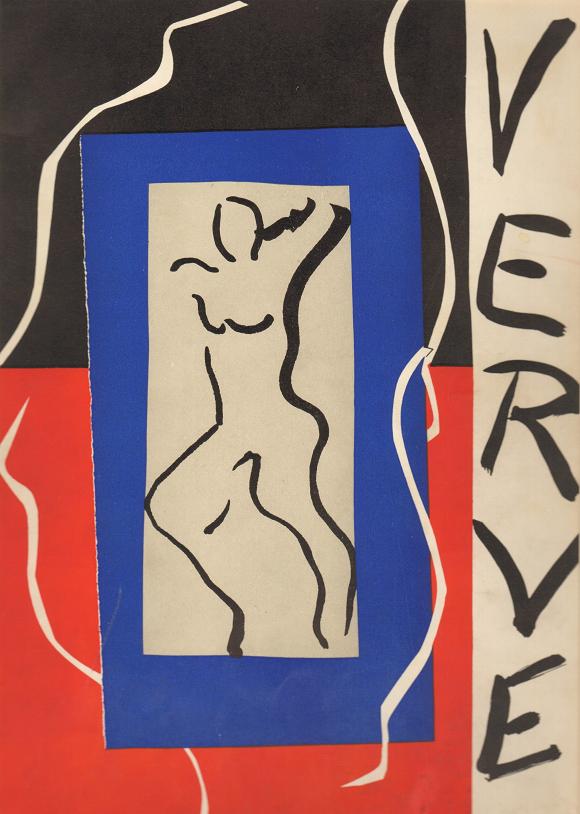
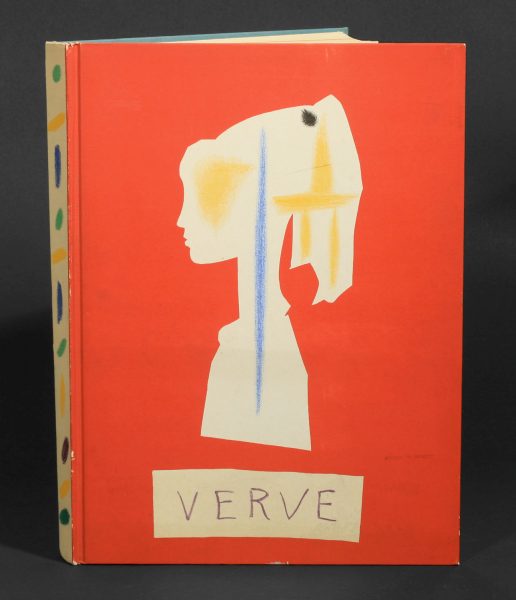
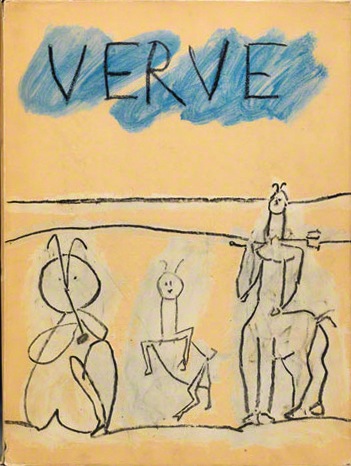
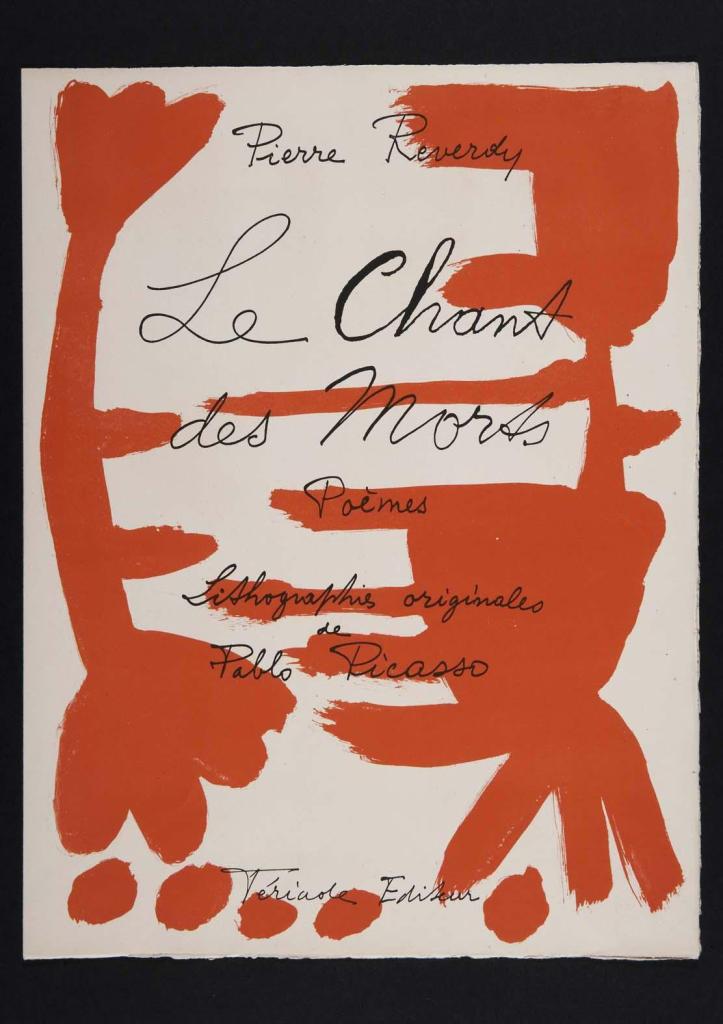
During the twentieth century, there were two main publications that led the great masters to contribute cover designs as well as interior artwork. The first was Verve: The Ultimate Review of Art and Literature. Published in Paris by Teriafe, its inaugural issue on December 1937 featured a cover by Matisse. The publication continued until 1960, with 38 editions and featured the works and writings of Pierre Bonnard, Marc Chagall, Ernest Hemingway, James Joyce, Joan Miro, Man Ray, Jean-Paul Sartre, etc. A hard covered journal sporting a dust jacket included were tipped-in lithographs by the renowned artists. Covers also featured the likes of Bonnard, Francisco Bores, Georges Braque, Chagall, and several by Picasso.

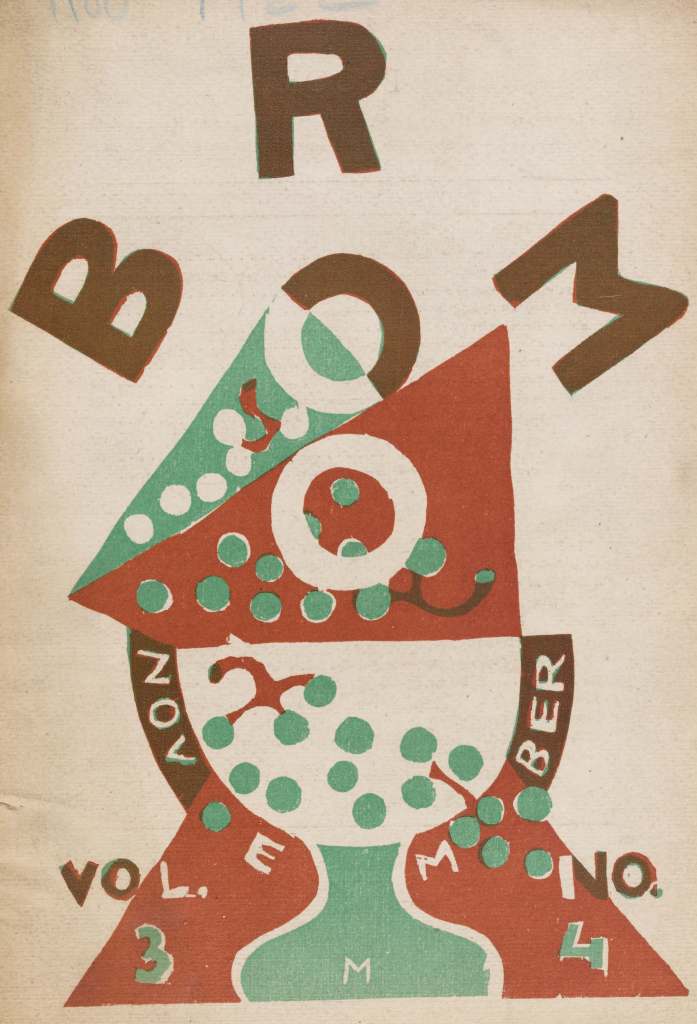
Broom: An International Magazine of the Arts

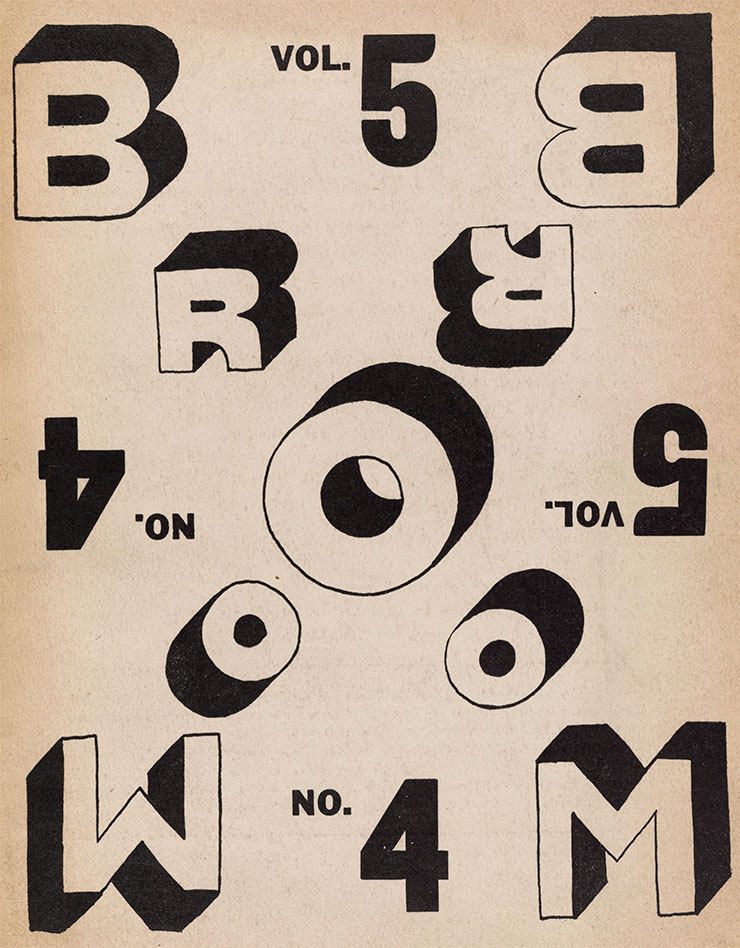
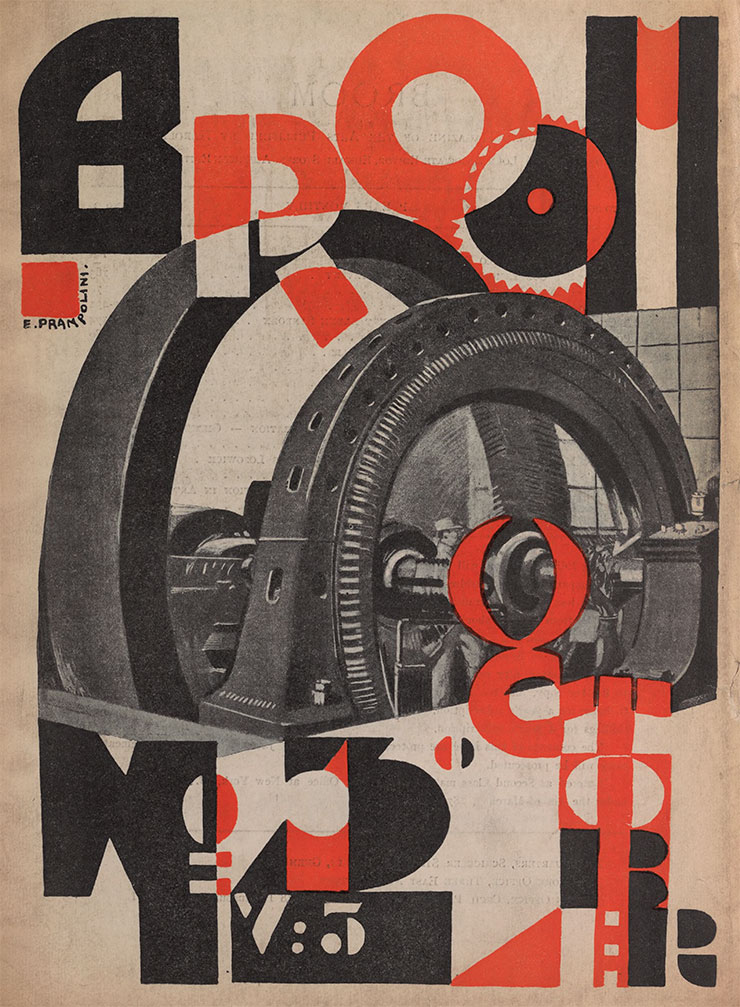
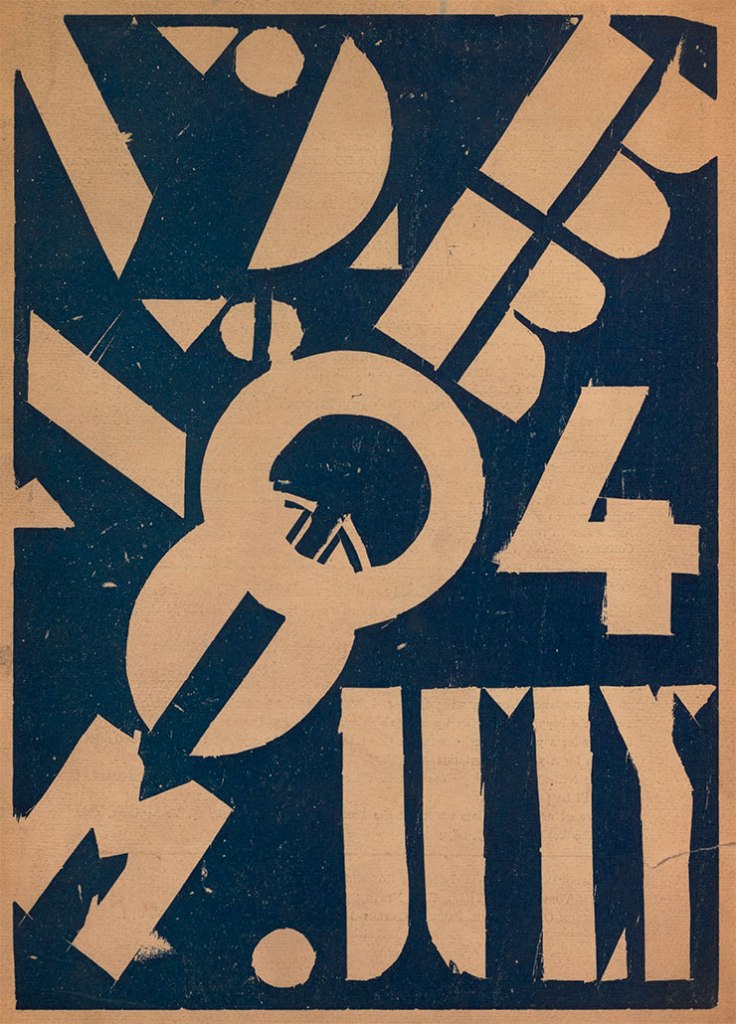
Preceding Verve was Broom, which was founded by Harold Loeb and Alfred Kreymborg and published in Europe. It premiered on November 1921 and lasted until January 1924. Loeb, related to the Guggenheims on his mother’s side, wished to bring the European avant-garde to the U.S.  Among the artists included were Juan Gris, George Grosz, Matisse, Laslo Moholy-Nogy, Picasso, Man Ray and Joseph Stella. The magazine’s cover designers included Juan Gris, Fernand Léger, El Lissitzky, Man Ray as well as lesser known artistslike Enrico Prampolini, Ladislas Medgyes among others.Unlike the ostentatious Verve, Broom featured two-color paper covers and black and white interiors with tipped-in quality black and white prints of artwork and photography and occasional woodcuts.


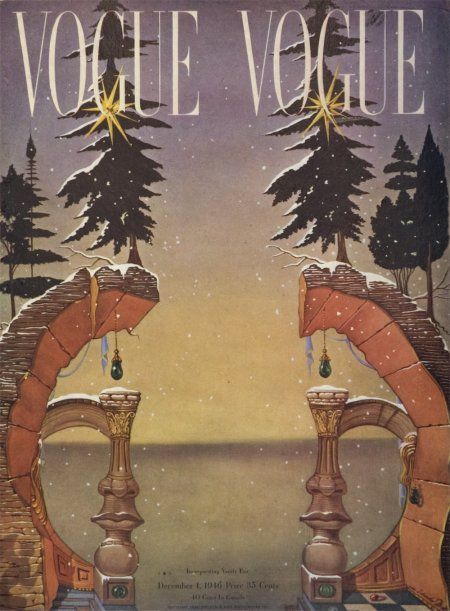
Vogue


Salvadore Dali, Man Ray and Juan Miro contributed several magazine covers for the fashion title Vogue in the 1940s. Even Matisse made an appearance as a backdrop and while not his design Marcel Duchamp’s The Large Glass sculpture appeared as a prop with his blessing.

Works by Warhol, Lichtenstein, Banksy, Fairey et al.


 Stuart Davis was an American painter best known for his Cubist, jazz and billboard inspired modernist paintings. Early in his career, as a political progressive, he was a regular contributor to the leftist magazines The Masses and The New Masses. During the Great Depression he worked on several murals for the Federal Art Project. Other regular contributors to these magazines included renowned artists George Bellows and Alexander (Sandy) Calder.

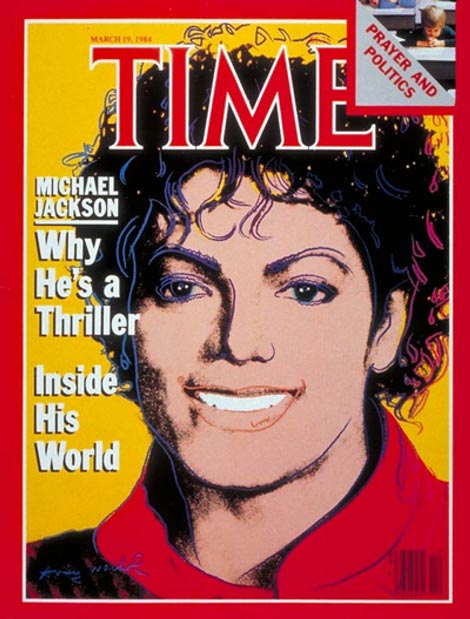
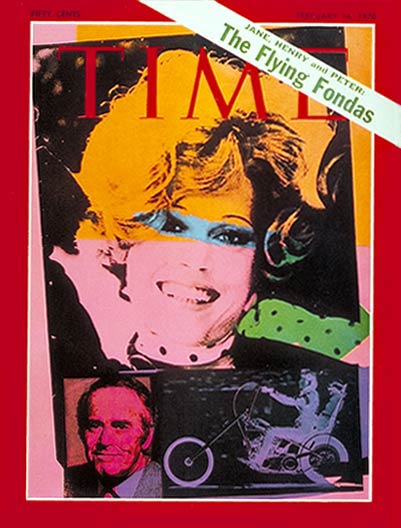
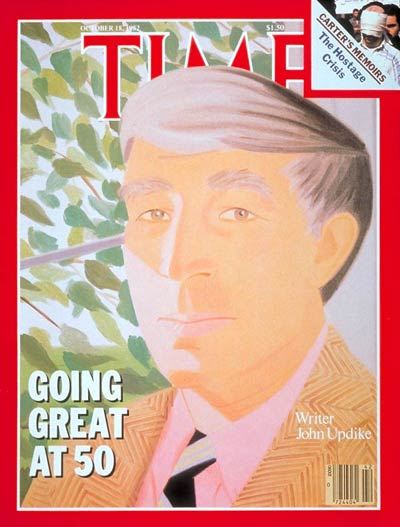
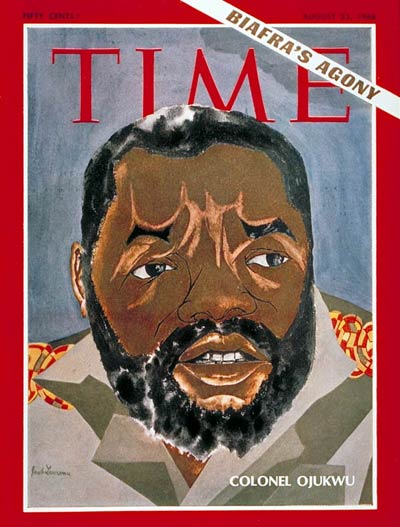
Andy Warhol, father of the pop art movement, began his career as an illustrator but constantly blurred the line between fine and applied arts. In addition to his better known designs for albums covers (the eponymous titled “The Velvet Underground” and “Sticky Fingers” for the Rolling Stones) and Interview magazine, which he founded, he contributed covers to several publications, including Time and Vogue. Other Time contributors included fellow pop-artist Roy Lichentstein and other famed artists Marc Chagall, Robert Rauschenberg, Romare Bearden, Ben ShahnJacob Lawrence and Alex Katz.

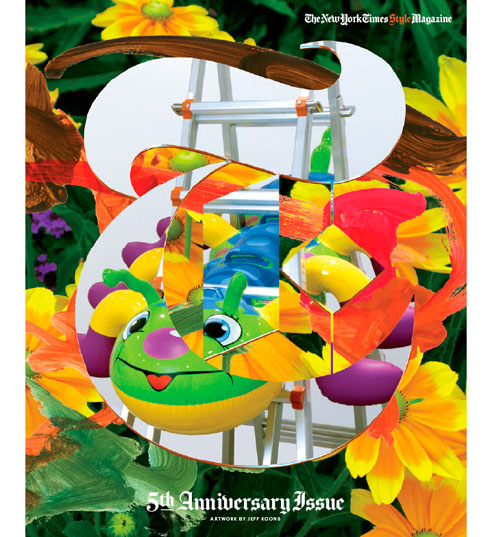
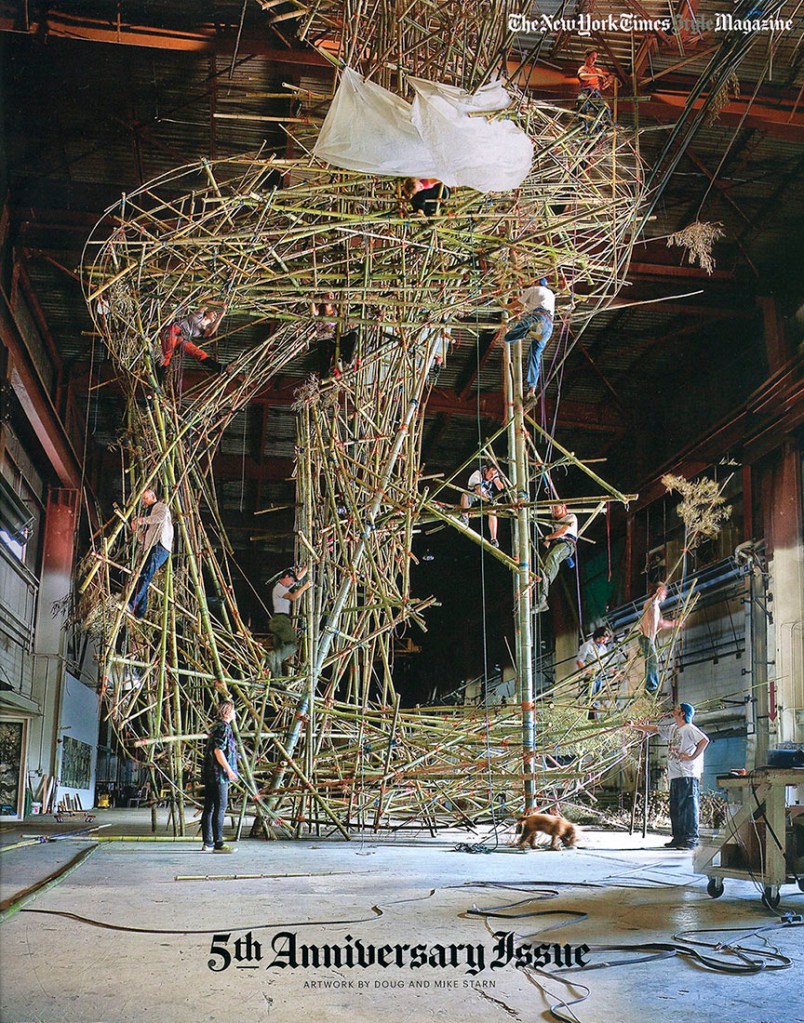
Contemporary artist Jeff Koons created a cover for the magazine in 2009. The magazine also invited other artists such as Jenny Holzer, Franceso Vezzoli, identical twins Doug and Mike Starn and even architect Frank Gerry.

Fashion Magazine W

The fashion magazine W has likewise hired Vezzoli and Barbara Kruger to grace their covers. Perhaps the most famous artist today in the mysterious street artist Banksy, who has created covers for Time Out magazine among others.

Artist Shepard Fairey, who also began his career as a street artist these days is primarily a designer/ illustrator who contributes covers to magazines such as Time and The Nation and produces several posters, including three popular ones on the recent Women’s March.

Francesco Vezzoli

My Artworks for Magazine Covers

I have had the distinct privilege and honor to design some magazine covers myself. Although not among the big names or labels, they are special in their own right as they are the in house publications run by some very prestigious organizations. It was a humbling experience for me and even though not all my artworks may have been published, they helped hone my creative skills and opened my mind to newer possibilities. They helped me venture into the field of graphic design and taught me the art of combining conventional art techniques with advanced digital alternatives to produce designs that would do justice to the respective magazine’s requirements.  
For each artwork, I was provided with a brief that required me to work on a particular theme for the publication in question. Here are the themes with their respective artworks and a brief description for each:

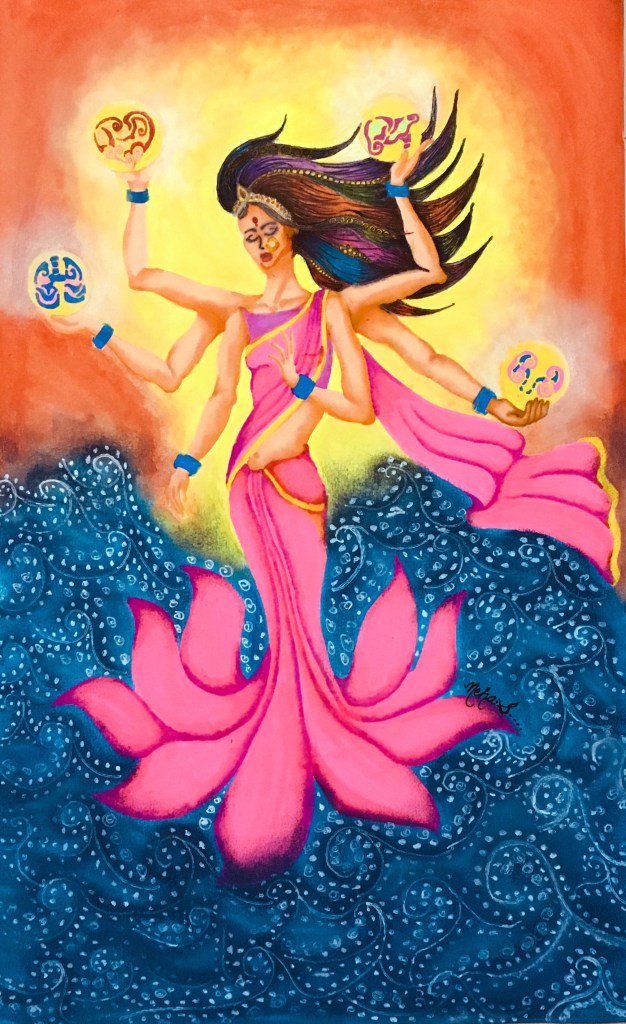
  • Health is Wealth – As the theme suggests, the objective was to depict that our most valuable treasure is physical and mental well being. According to Hindu mythology, Lakshmi is the Goddess of wealth, prosperity and fortune and an embodiment of beauty as well. She is depicted in Indian art as an elegantly dressed, prosperity-showering golden-colored woman seated or standing on a lotus pedestal, with four hands, which represent the goals of human life. I have used this very iconographic image of Lakshmi to depict the greatest wealth for us all – our health. With the help of various elements of doodle art, I have stylized her form, along with that of the lotus and the surrounding water pool. Each of her hands shows how every body part is equally important for our overall health and there is no bigger fortune that a healthy body, mind and soul.
Theme – Health is Wealth
  • Touching Lives through Welfare 1 – Depicting social welfare through art was a big challenge for me.  So, I decided to combine drawing as well as doodling to produce an abstract composition which portrays specific welfare organizations in my region. Each arm represents one such organization and together, hand in hand, they all work  in tandem towards one common goal – welfare of the under privileged. I have used geometrical shapes and patterns as doodle motifs in a multiple color palette to create this artwork.
Touching Lives through Welfare 1
  • Touching Lives through Welfare 2 – This one is another option I created on the theme of social welfare. Many people have made major contributions towards the eradication of social evils by dedicating their lives to the cause. When it comes to social reformers, social workers and philanthropists of the likes of Bill Gates, Mother Teresa, Annie Besant, Jane Adams and Jeanette Rankin to name a few have played a significant role in fighting social evils. Among my fellow Indians, philanthropists like Ratan Tata and Shiv Nadar and social activists like Irom Sharmila, Medha Patkar and Aruna Roy are also doing their bit. I have depicted these and several other pioneering social icons from around the world, who have done some outstanding work in their respective fields and brought about radical changes over the decades. This cover design is completely handmade art using a combination of wet and dry mediums in the form of water color brush pens, fine tip pens and colored pencils respectively.
Touching Lives through Welfare 2
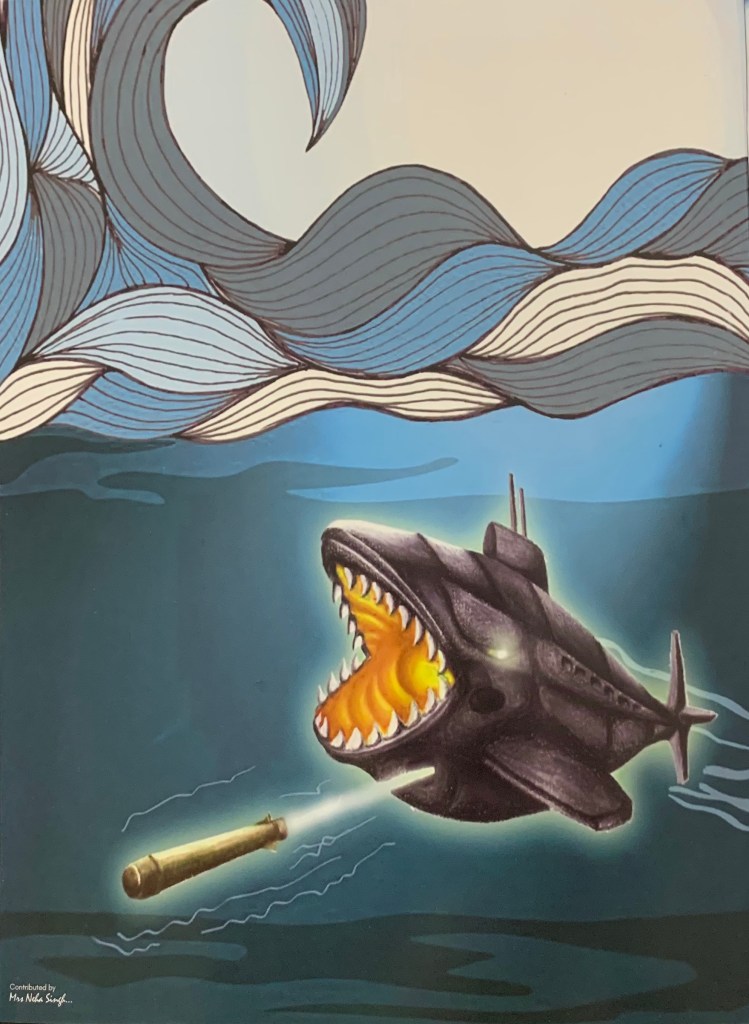
  • The Steel Shark – As per the brief given to me, I had to create a cover design for a magazine depicting the mighty submarine in its full glory. So, I decided to take my obsession for submarines to the next level by combining doodling and digital art. In this artwork, I have personified the submarine as a shark which truly epitomizes its stealth and menacing power. I rendered this personified version with prismacolor pencils, whereas the underwater seascape has been rendered digitally. I have used the technique of doodling to render the waves arising from the sea.
The Steel Shark
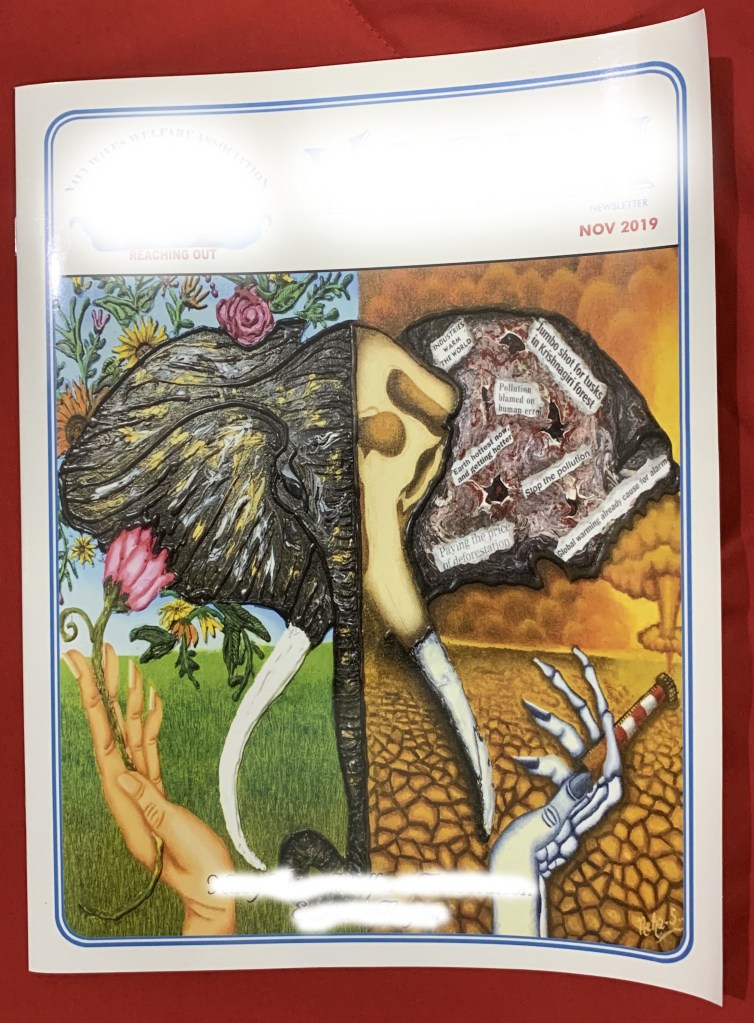
  • Theme Pollution – This one is extremely special for me as the artwork which made it to the cover page of a magazine is also part of my ongoing Navrasa Series. (Please refer to previous blog posts to know more about this series). This artwork is an attempt to depict two sides of the same coin. While one side shows how fortunate we are to have Nature’s blessings in the form of her beautiful flora and fauna, the other side opens our eyes to how we are destroying this beautiful gift by polluting our environment.

This is evident as human decay in the form of the skeletal hand I have portrayed in the painting. The cigarette between the crooked bones of this hand represents the toxic poisons we are exhaling into our atmosphere through our industrial chimneys. Not only does this smoke symbolize the industrial infection that we are spreading but also the impending doom of nuclear warfare. The skeletal and decomposing remains of the elephant represent the consequences of our ignorance resulting from selfish acts like poaching, deforestation and our greed for more.

The left side of the artwork shows what Mother Earth will look like in her full glory, if we give her the chance to live. The foliage of green leaves with a scattering of blossoms, the lush green grass and the robust image of the elephant set against a bright blue sky all bear witness to the Nature’s masterful creativity.

This is a mixed media artwork where I have employed every medium ranging from oils, to acrylics as well as impasto and decoupage. I have achieved the visual effects for the elephant’s head through acrylic pouring. The text on top is actual newspaper cuttings which have been fused with the acrylic pour backdrop with the technique of decoupage. The various 3D effects providing texture to the foliage and the elephant tusks have been achieved with the help of the hot glue gun. I have taken special care to highlight the difference between a healthy tusk and a decaying one by depicting the latter in a mangled and fragmented state. The remainder of the painting has been rendered with oil paints.

It was a great learning experience for me to work on designs for magazine covers. Even though not all of them got published, each and every one is very special for me as they broadened my horizons and helped me step into the world of graphic design or visual communication, where the sky is the limit. Who knows? Maybe I can delve into book covers, illustrations, posters or logos next!

DISCLAIMER – All the information, data and imagery in this blog post is for informational and educational purpose only. While there may be copyrighted material the use of which has not always been specifically authorized by the copyright owner, I have only made it available with the sole effort to stimulate creative progress and artistic enrichment. Some images may have been taken from the links included below and I give full credit to these websites/pages, thereby in no way claiming them to be my own. I have also used these links for reference purposes and collection of data; therefore I give full credit to the respective web pages. Most of the data in this post is based on my personal experiences and opinions and I am not responsible for any material that is found in the links at the end of this post.

Sources and Photo Credits –

https://ninichissima.wordpress.com/2012/04/13/picasso-on-neretva/

Framed!!

What is it that can compliment or take away from your artistic creation? What can make your artwork stand out and make it look all the more special? What can enhance not just your art but also speak volumes about your aesthetic style?

It is the frame around your work of art. The frame is the finishing touch, the icing on the cake, the final component of a painting. Framing is an art in itself, and just as a good frame can enhance a work of art, a bad one can greatly depreciate its value.

Art is a key element to any well-decorated interior. It adds life and visual interest to the place it adorns. The frames surrounding your art have an important role to play in decorating. Frames separate and distinguish the artwork while also protecting it.

The primary objective of  framing an oil or acrylic painting is to enhance the art and the art alone, without taking away focus from it in any which way. The primary objective of framing a work on paper is to protect the piece besides enhancing its appearance.

Framed vs. Frameless

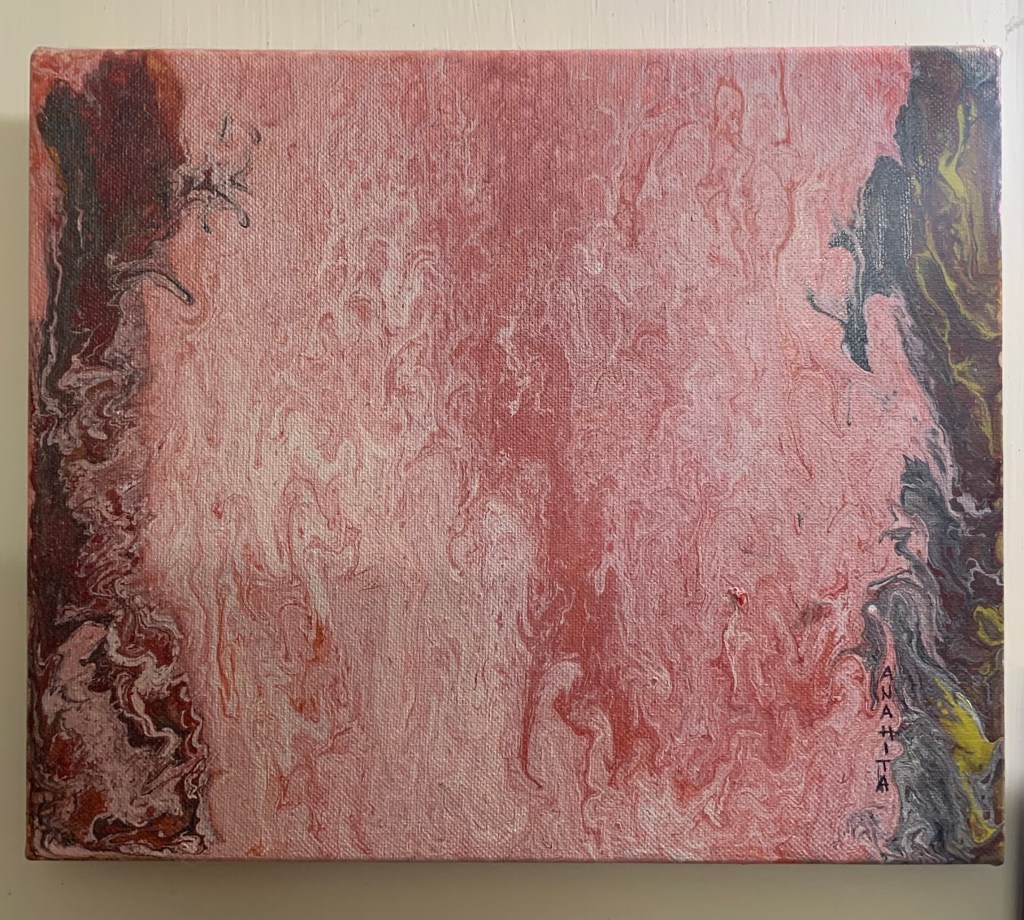
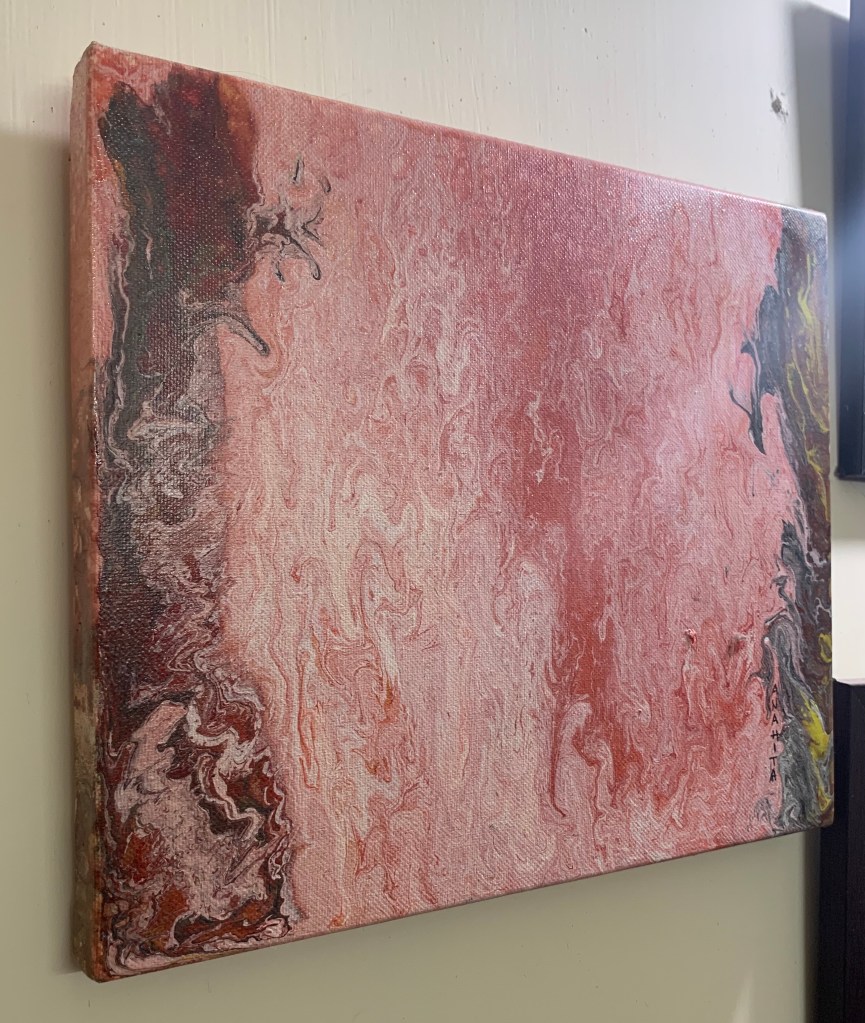
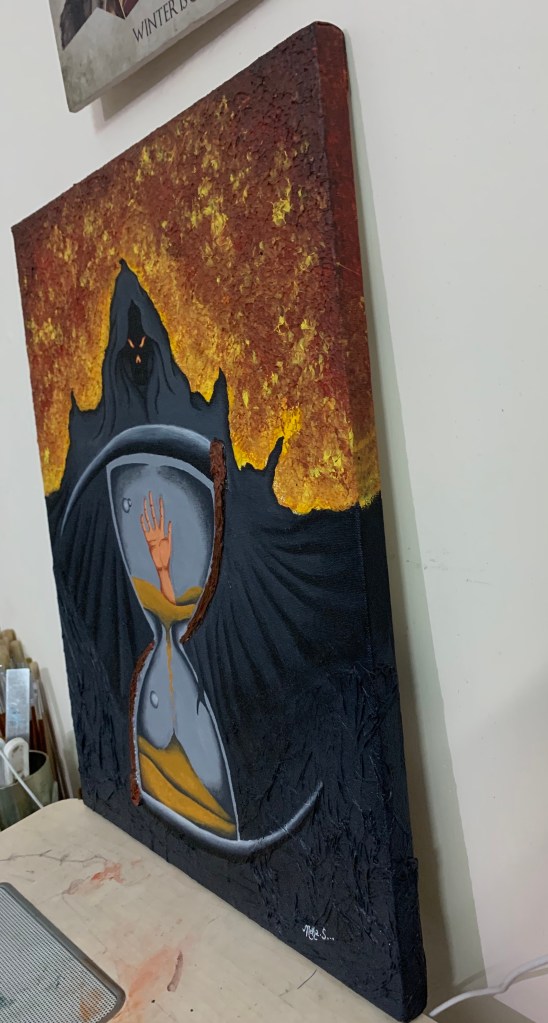
Not all works of art need framing. For contemporary gallery-wrapped paintings, framing is completely optional. The term gallery wrap refers to canvas wrapped around thick stretcher bars and secured to the back rather than the sides of those bars. This mounting leaves the sides of the canvas smooth, neat and free of visible staples or tacks. Artists using this type of canvas mount often continue the painting around the sides or simply paint the sides a complementary neutral color. I personally prefer the latter and like to paint the sides of my canvases as a continuation of the composition I am depicting, especially for my acrylic pours.

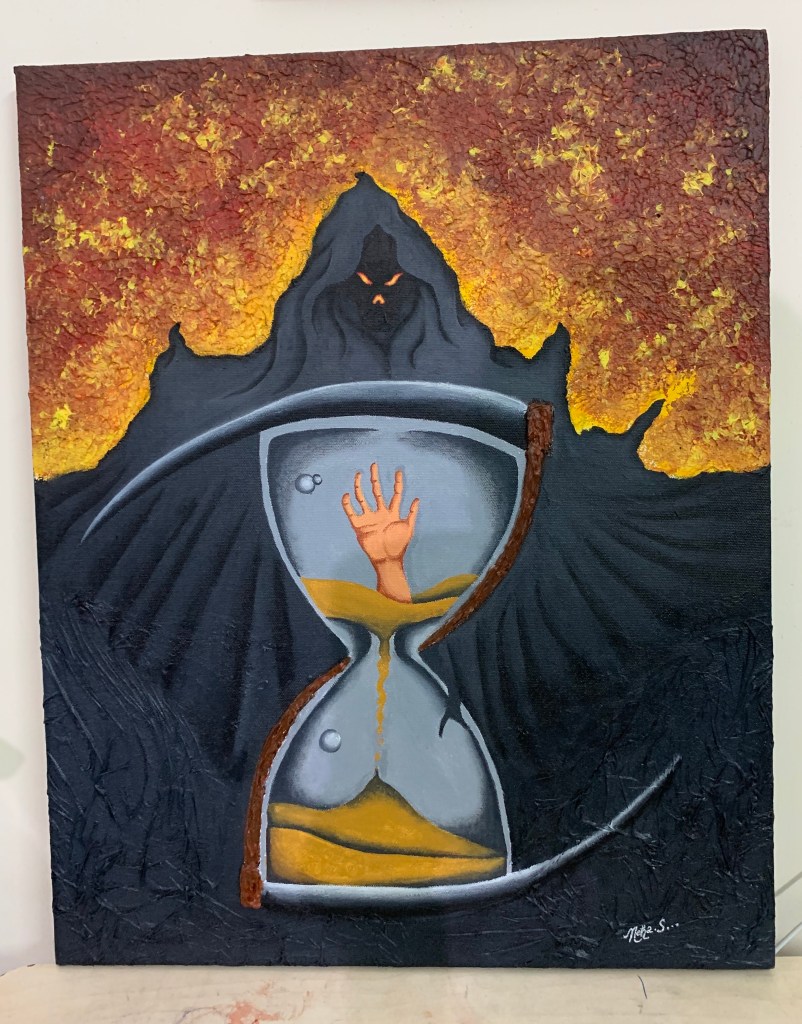
 Here are a couple of examples of artworks that exhibit this feature. The former is an acrylic pour done by my daughter on a stretched canvas and as evident, the composition continues or “flows” to the sides, hence framing is not required. The latter is a part of my Navrasa series where once again the painting continues around the sides, so I am still toying with the idea of whether to frame it or not! (Click on the thumbnails to view full images).

When a painting on canvas is not gallery-wrapped, the stretchers are thinner and the staples are visible along the sides. This kind of canvas will obviously need to be framed, and the frame needs to have sufficient depth to accommodate the thickness of the canvas and stretchers. Oil or acrylic paintings on a canvas stretched over wood stretcher bars can be framed or unframed. If you leave a painting unframed, you’ll see its sides, which are typically gessoed in white or the color of the raw canvas or linen.

Paintings on board or panel usually require the structure of framing for display, as do most paintings on paper. However, box mounting these works for sleek effect renders framing optional. Another good option for such canvases is floater frames which are my personal favorite and would love to use for my future art projects.

Unframed paintings have a sense of casualness that can be quite charming. However, you need to be OK with the possibility of seeing some smears of paint on the edges and the thick bump created by the canvas folded over at the corners.

Choosing a Frame

When it comes to selecting frames for your art, there are no hard and fast rules. It is best to let your piece connect you to the right frame.  There are several options for frame styles available at a wide range of prices. You can choose to do it yourself or get it done by framing stores. Whatever you choose, keep in mind the following key points about framing:

  1. The Painting’s style – A period painting or one with a classical subject matter is well suited for a timeless, traditional, elegant gold-leafed frame or a handsome walnut or mahogany wood frame. Lighter, sublime or abstract paintings may look best in sleek, minimalist frames. For paintings that are in-between, there are transitional frames—those that blend elements of the traditional and the contemporary. Choose a frame finish that doesn’t compete with the art in terms of color or texture. For example, don’t choose a fussy frame with a mottled finish to go with a busy image.
  2. The Painting’s size – Larger paintings usually look best with wider moldings and, therefore, larger frames. If, for some reason, space is a constraint, a floater frame is a better option. These usually add only 1 to 4 inches to the height and width of a large painting, whereas a regular frame may add as much as 7 to 12 inches to the overall dimensions.
  3. Style and color of frame – The frame is supposed to enhance your art and not overpower it. Therefore, the style and color of the frame should be subdued. A frame that is the same color as the wall more or less blends into it visually thereby rendering all the focus on your art.
  4. Mats for framing A mat (also called a mount) is a thin piece of paper like material on which your art sits. It’s mostly decorative and acts as a backdrop for your art. Mats prevent the artwork from touching the glass and allow airflow around it, thereby preventing the work and glass from sticking together over time. Mats also help create visual transition space between the wall and artwork. When framing artwork, choose a mat that is lighter than the work of art but darker than the wall. For a traditional look, pick a prominent accent color from the art to complement the mat color. A gilded bevel on a mat can really elevate the look while still keeping it simple. But what exactly is a mat? I shall discuss this in detail further down in the post.
  5. Size and proportion – If the mat and frame are of equal widths, they look like stripes around the work. Hence, the matting should be wider than the frame. The size of the artwork obviously decides the overall size of the frame, but one needs to take care of the width of the frame in relation to the size of the work. Generally, the larger the painting or print the wider the frame should be.
  6. Preservation of the artwork – The quality of framing material used for a particular artwork depends on its value or importance. For instance, for works on paper, a 100 percent acid-free mat is a must, so that the work does not discolor or “burn” over time. Besides this, ensure the use of acid-free hinging tape to adhere the work to the mat. The type of glass used with the frame is another important aspect of preserving the artwork. Clear picture frame glass is most common and inexpensive, but it can’t block UV rays, which can cause irreversible damage to the piece.  So if the work is being exposed to natural light it is important to choose a UV filtering glass. More about glasses later on.
  7. The hanging hardware – For ready-made frames, ensure that the hanging hardware is secure enough to be able to hold your artwork onto the wall. Size and weight of the hardware are also important points to consider. If the framed art weighs a lot, use d-rings and a hanging wire.

Frames for works on Paper

Watercolors, pastels, charcoal drawings etc., require special care when it comes to framing owing to the perishable nature of their surfaces.

Before framing, the work should be mounted on a support in such a way that if required at any time in the future, the artwork can be removed from the frame without causing any damage to it. Also, there should be no remnants left behind of the previous framing structure. This is crucial for works of value or anticipated future value.

Acid-free corner pockets and acid-free adhesives are two good methods of securing artwork to its support. As for the support itself, archival foam board creates a sturdy structure for a framed piece on paper and helps protect artwork from pollutants that might find their way through the back of a framed piece.

Most works on paper require matting and framing under glass for further protection. The mat board, with a cutout window, is laid over the painting and prevents the glass from touching the surface of the artwork. A spacer can be used in place of a mat. Matting also contributes to the presentation of the artwork.

It‘s essential that all materials used be 100 percent acid-free. You may look back at pieces framed many years ago and see that the matting has discolored, as has the paper of the actual artwork where it came in contact with the mat board. This discoloration (acid burn), is caused by acid in cardboard backing, non-acid-free matting, acidic masking or Scotch tape. Many a fine work has been devalued owing to this. All good framers now use acid-free or archival materials. 

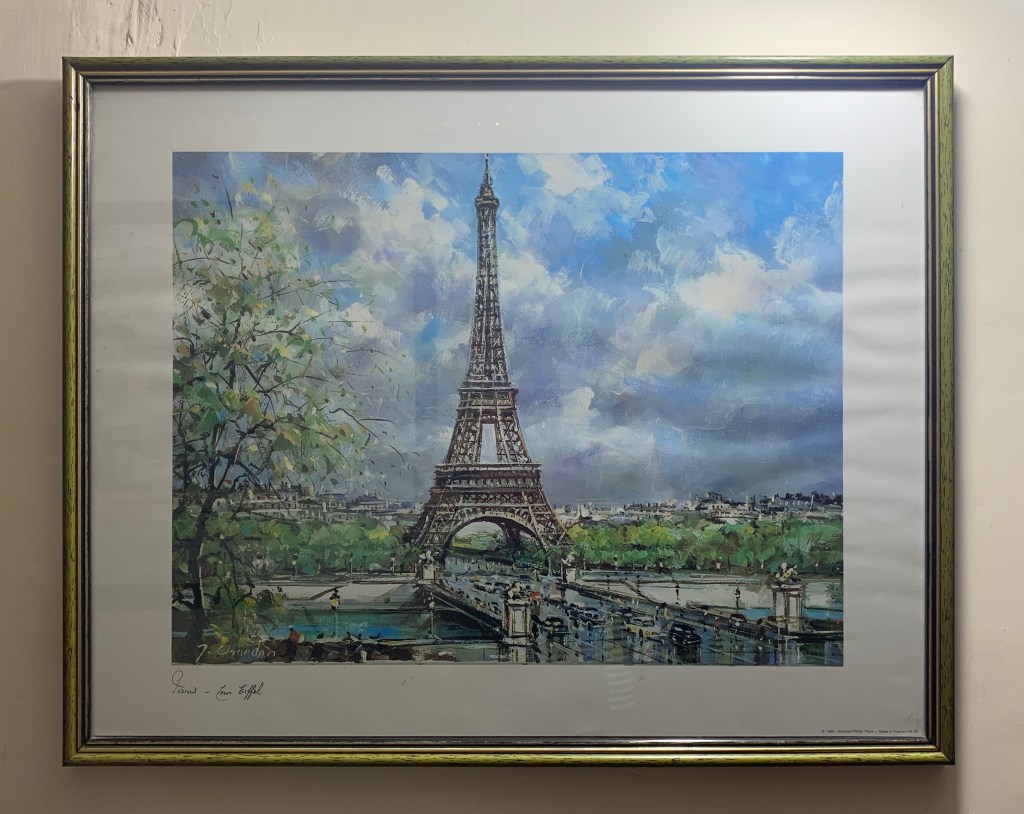
Here is an example of one of the framed prints that adorn my home.

A framed print

Types of Frames

There are innumerable choices one can make when it comes to frames but choosing the right frame for a piece is paramount. Frames are made of a variety of materials, like wood, metal, resin, gesso and gold or silver leaf.

The right frame can augment the aesthetic appeal of a painting to a great extent. Not only does the frame merely house the artwork or just serve the purpose of hanging it on a wall, but also preserves the piece from damage by protecting it from fading and wrinkling, thus keeping the artwork well preserved for longer periods.

This makes deciding on the perfect frame a difficult task as the myriad of options available could leave you stumped. To avoid such hassles, it is best to do your homework about the most commonly used material for frames. Let me make it easier for you with the following list:

  1. Wood – Wood has been traditionally one of the most popular framing materials for ages as not only is it versatile, but also comes in a wide range of textures and colours. It can also take paints and stains well. Moreover, wooden frames come in ornate as well as simple forms. They can complement almost any décor style thus making them a safe choice in most cases.
    1. Faux Wood – Faux wood frames typically consist of a dense plastic material known as polystyrene. They look almost identical to genuine wooden frames. Shaping and drilling the material is easy. In addition, faux wood frames are both lightweight and immensely affordable.
    1. Metals – Many fine art framing companies offer metallic frames which are equally versatile. Moreover, they usually come in an assortment of shapes and sizes. They are ideal for modern and minimalistic art styles. Narrow metallic frames can outline pictures subtly and simply fade away into the area of display.
    1. Bamboo – Bamboo frames are not a conventional choice, but, their ability to add a rustic feel to any image makes them highly popular. Bamboo is both flexible and sturdy. Depending on the style of the frame, it can look casual or urban. People often select bamboo frames because it is an environment-friendly material.

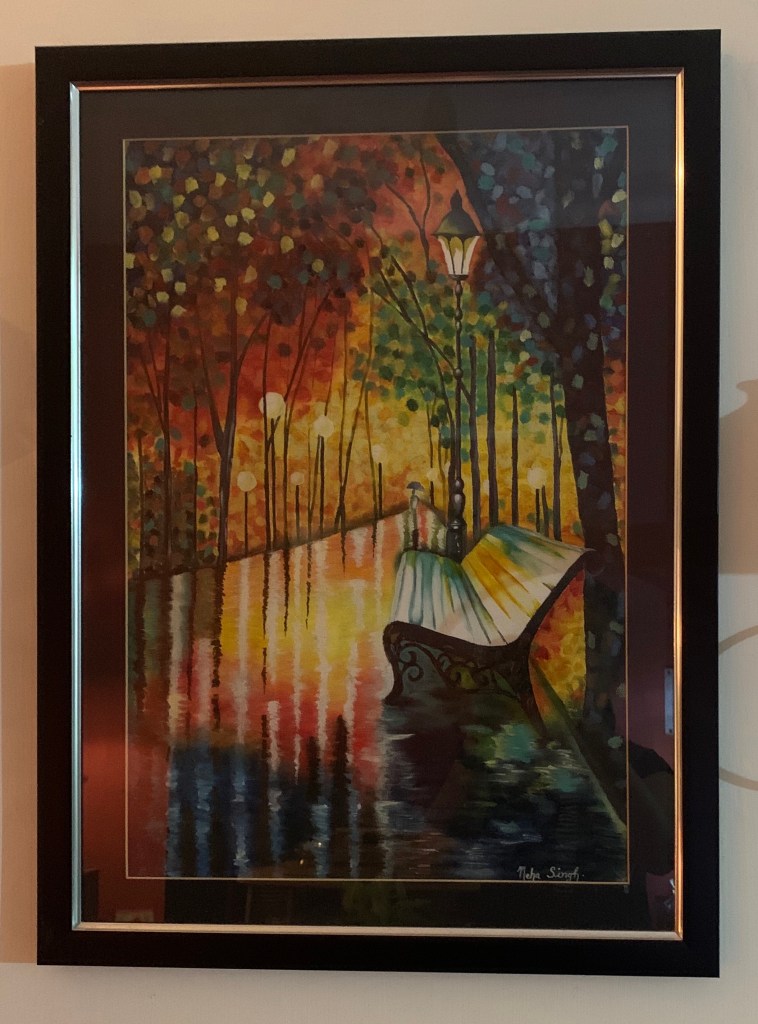
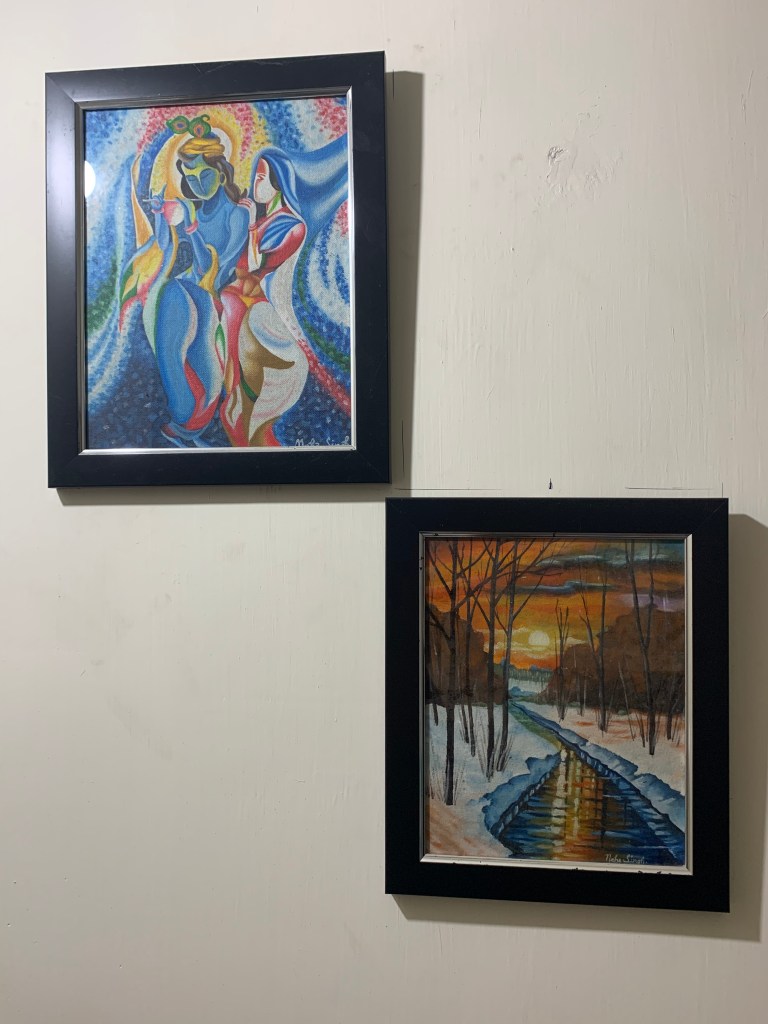
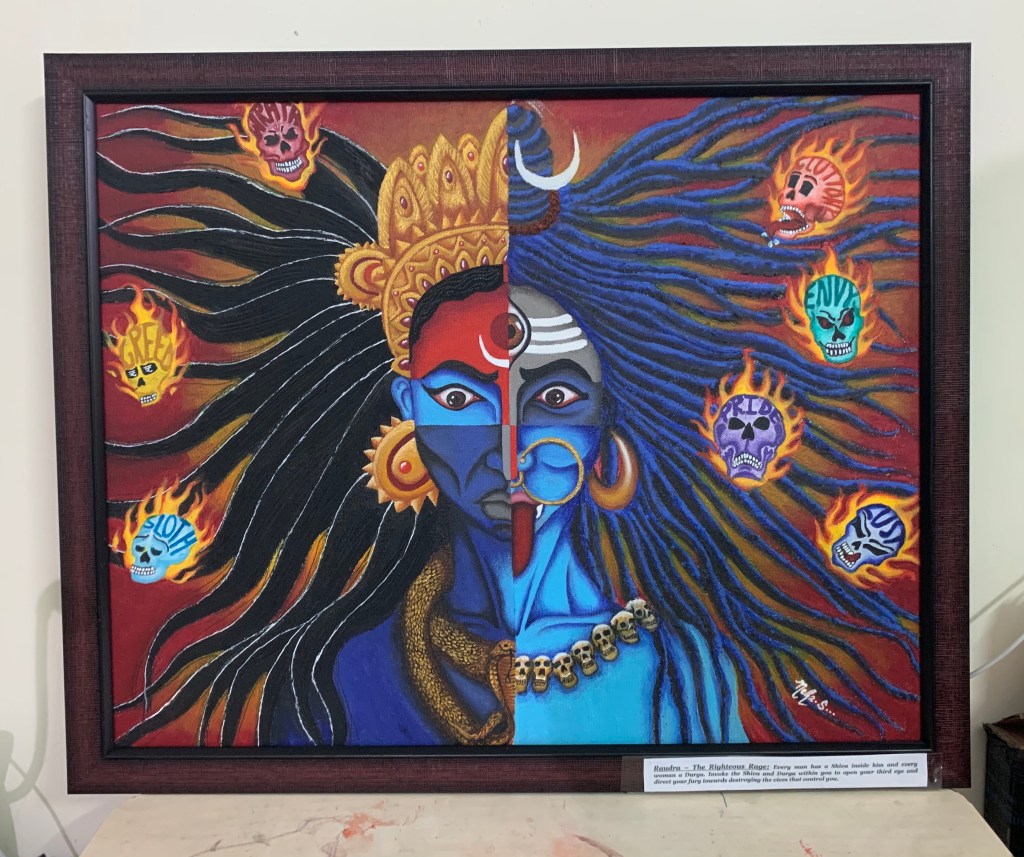
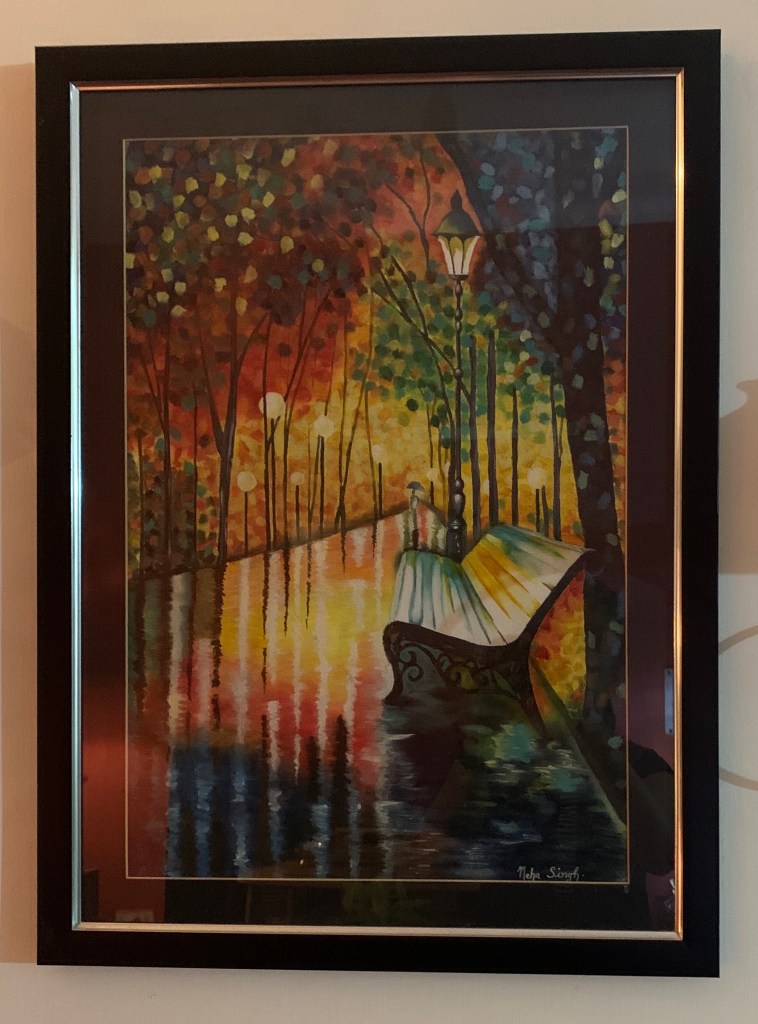
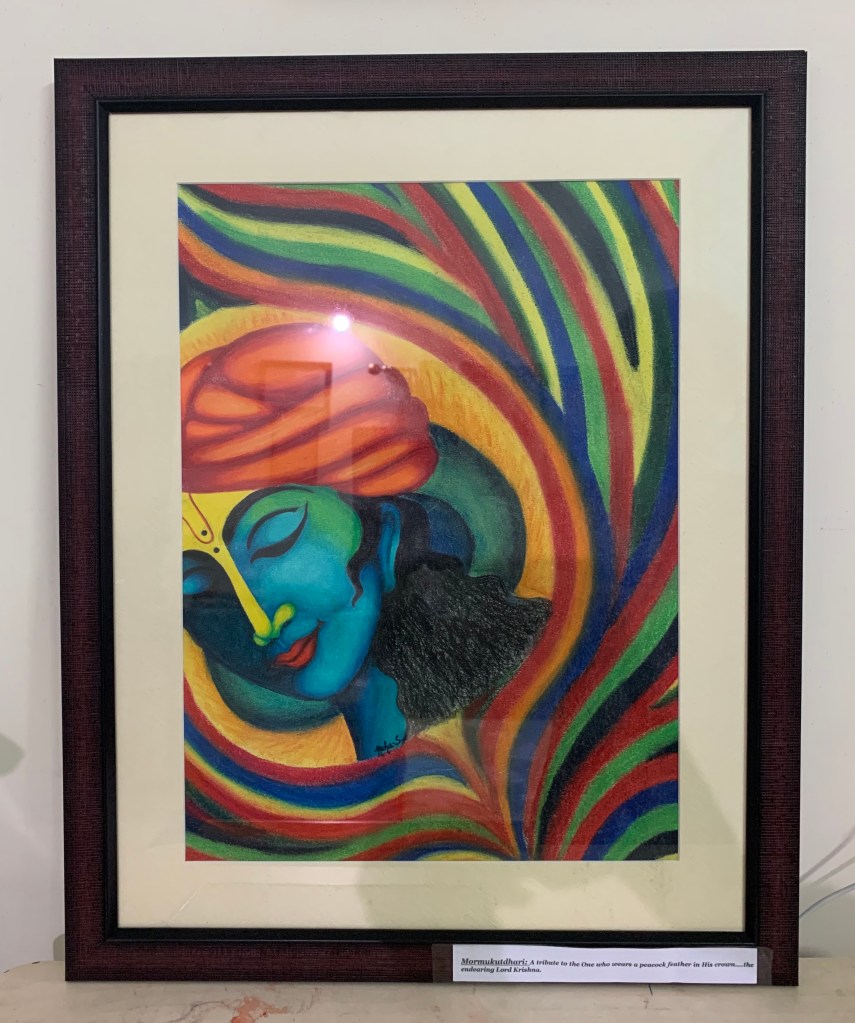
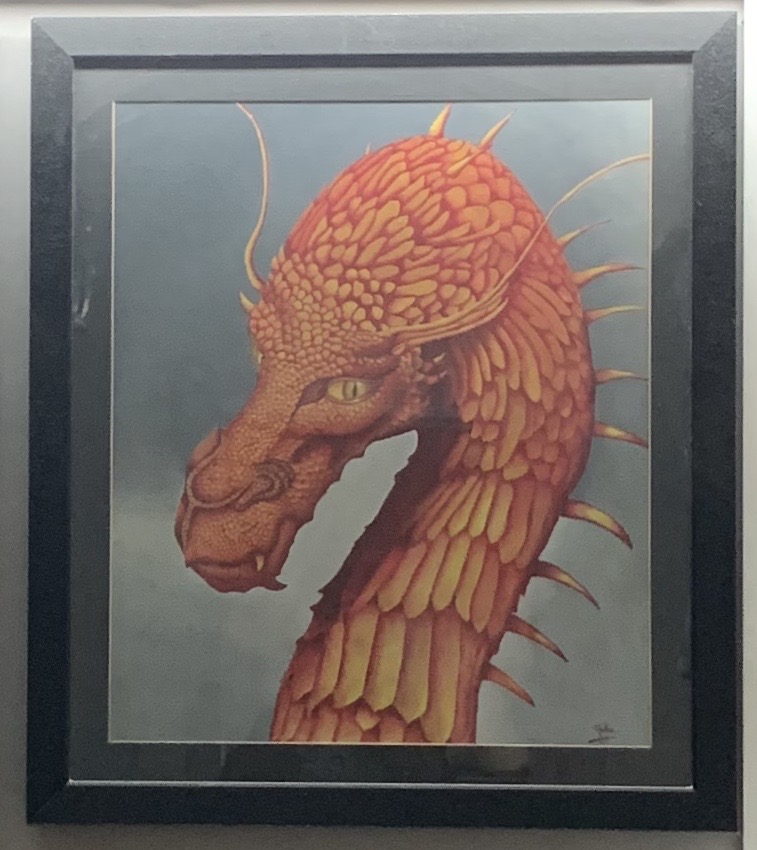
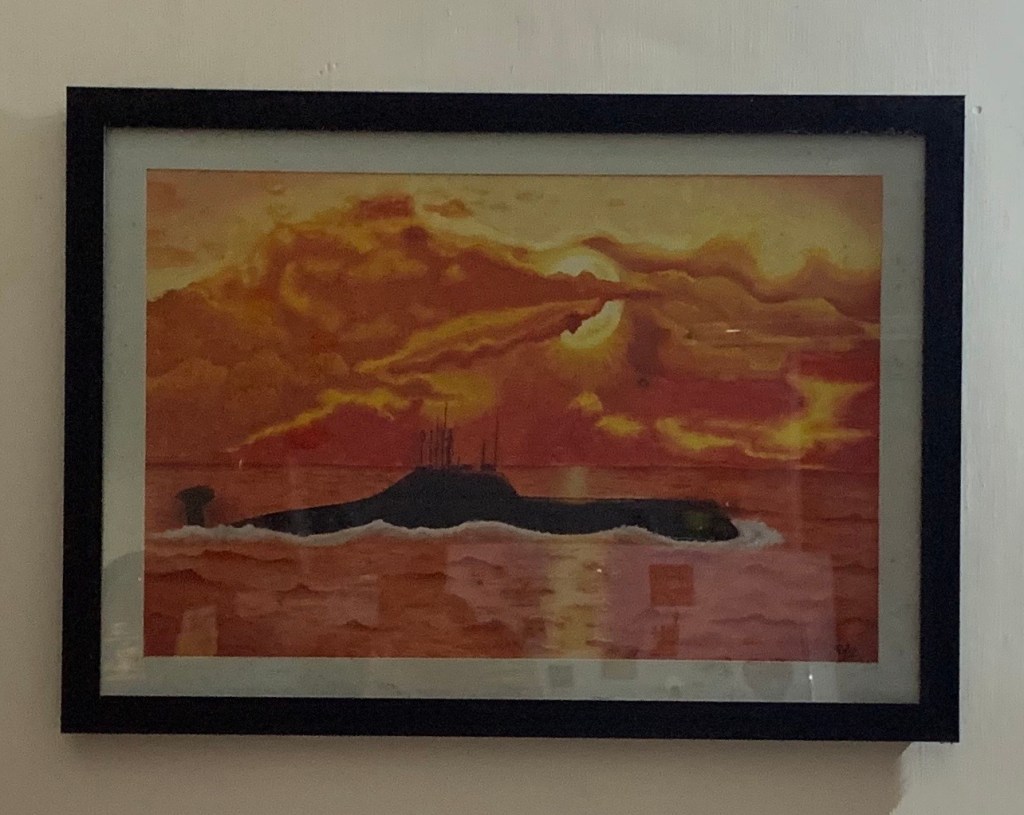
Most of my framing is done in wood or faux wood but I am open to metal frames if the artwork demands so. Here are a few images of the different types of frames I have used for various artworks of mine.

Tips for Selecting the Perfect Frame for Your Artwork

Some of the attributes of a quality frame include:

  1. Drawing the Viewer’s Attention to the Picture and Not to the Frame – When you are selecting a frame, consider the key aspects of the artwork in question. Think about the elements that you want to accentuate in the piece. Light frames usually draw the attention of the viewers to the areas of contrast. They make the viewers focus on the softer lines in the painting. Dark and heavy frames can accentuate deep tones or subdued themes.
  2. Blending in with Other Elements in the Display Space –Consider the place where you plan to hang the frame as it will need to complement the décor of the space in terms of size, colour and texture. This is why print framing professionals often exhort their customers to select frames having high levels of versatility.
  3. Emphasizing the Colour and Texture of the Picture – If you were to pick a frame that doesn’t suit the colour combination and textural effects in the painting, the effect could be quite discordant and jarring. Paintings with simple lines will look good in decorative frames. Similarly, those featuring busy scenes will look better in simple and plain frames.
  4. Maintenance and Durability – Besides picking a frame that goes well with the image, you will need to consider whether you want a frame with glazing that eliminates glare, ultraviolet rays etc. , and also one that is easy to clean and maintain.

What is Matting?

A regular mat consists of a beveled hole in the middle of the decorative mat, and then the artwork is placed on top of a foam mat, which sits behind the decorative one. A mat helps highlight artwork by separating it from the frame and drawing attention to the artwork itself. Besides highlighting the artwork, a mat also physically distances and prevents the artwork from sticking to the glass.

Mats are highly recommended for works on paper like drawings, prints or watercolors. Without a mat, these artworks tend to look more like posters. However, for multiple pieces like diptychs and triptychs that are meant to be read as one piece, it is advisable not to use a mat.

The entire objective of matting is to make your art stand out, so exercise caution when choosing mat color. An understated white or off-white goes with almost anything. If the piece is almost uniformly white, or if you wish to add some drama, you can go for a gray or black mat.

You can also add an accent mat, essentially a second mat inside the primary one that creates a thin outline around the artwork. This accent mat is optional though. But if you do opt for one, choose a color that’s from the work itself. This can be a shade that you want to highlight or an undertone you want to accentuate from your painting. Adding a color-contrasting mat can accentuate the artwork even more. It is recommended to use a neutral mat for the dominant border (white is classic these days), and adding a colored secondary mat that references a color in the artwork — but only if it truly enhances the image.

While the addition of a second mat or even two more mats further defines the artwork, thereby drawing the viewer’s attention to it, this also stands the risk of the frame overwhelming the artwork.  So less is best and if you decide to use multiple mats, do so carefully.

A delicate wood fillet is an attractive alternative to a double mat. The fillet, which fits inside the opening of the mat board, between the board and the artwork, can match or complement the color of the frame.

Types of Mats

  1. Paper mats – Paper mats can be acidic or non-acidic. Acidic paper mats, sometimes called “decorative mats,” are made with wood pulp. An acidic compound in the wood pulp called lignin creates yellow and brown burn marks on the artwork. One way to tell if a piece has been framed with an acidic mat is if the bevel has yellowed over time. If it’s acid-free, it should still be white. Acidic mat are fine for inexpensive, easily replaceable pieces, like posters. However, if you’ve purchased pre-matted artwork or have a piece that was matted a long time ago and you aren’t sure what type of matting was used, it might be worth replacing it with a non-acidic mat to be safe.
  2. Regular mat board – Also called paperboard, this is also made of wood pulp, but has been acid-neutralized. This is the most commonly used mat material and is advertised as “acid-free.” It should last about a hundred years or so. Acid mat board does cost more than regular (acidic) paper mats, but not that much. This type of matting is best for most pieces, like low to mid-range artwork and photos.
  3. One hundred percent cotton rag mats – Also known as rag mats, these are constructed of a cotton rag core and backing paper, which rests near the artwork. Rag mats are acid-free and high-quality. Like regular mat board, this type of matting is also appropriate for artwork that doesn’t need a high degree of conservation. Rag mats can be used for anything from cherished family photos to watercolor paintings.
  4. Conservation or archival mat board – This is the most expensive, least acidic mat. It’s made of pH-neutral cellulose that’s been treated to be inert for hundreds of years and is used on more valuable pieces and works that require the highest level of preservation.

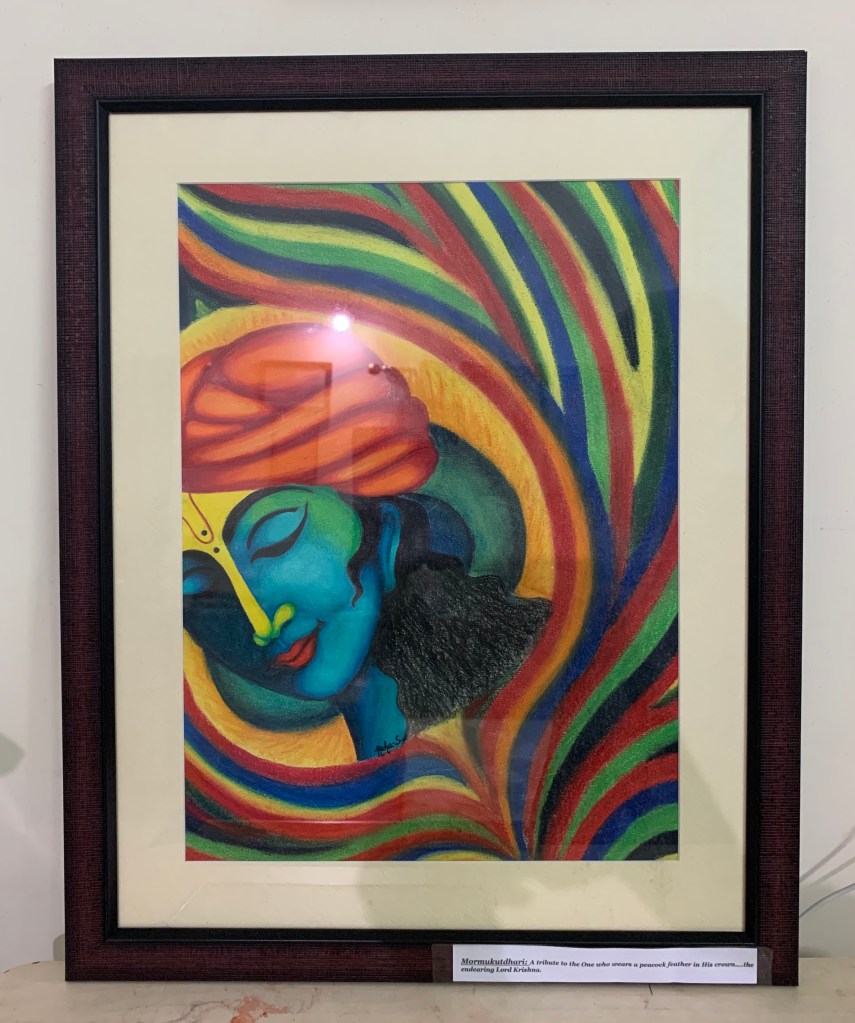
Other mat materials include vellum, suede and fabric-wrapped mats, such as linen. Sharing a couple of images of paintings where I have used mats to give you an idea of how matting can aesthetically enhance the piece.

Here are some examples of matting I have used for my art.

Mat scale

Boris Smorodinsky of Striving Artists Framing and Art Services in Los Angeles says there’s no hard-and-fast rule as to how wide a mat should be in relation to the artwork. In fact, framing in general is subjective and depends on the piece and the client’s personal preferences. However, Smorodinsky usually starts with a minimum width of 2 inches.

The mat and frame should not be of equal widths. Preferably, the matting should be wider than the frame. If the frame and mat are the same size, the eye tends to visualize stripes around the work.

Generally, weighted matting is preferred. This means that the bottom of the mat is deeper than the sides and top. Weighting, even when it’s subtle, provides visual balance when the framed piece is hung on a wall.

 Glass for Framing

Glass primarily protects works on paper from dust and pollutants.  The following options are available for the glass to be used for framing:

  1. Regular glass is the most commonly used glass for framing. Although scratch-resistant, it can break easily during transportation and only filters out about half of the damaging ultraviolet (UV) light rays.
  • Non-glare glass works well on pieces placed directly in front of a window. The drawback is that this glass tends to soften the image and give a slightly fuzzy appearance to the work. It also gives low UV protection.
  • Conservation glazing is a coating applied to glass that offers 97 percent UV protection.
  • Museum Glass is the ultimate—so clear and glare-free that you can’t see it at all when you stand in front of a painting. It also provides the best UV protection. This glass is expensive, but worth the price. Optimum Museum acrylic, made by Tru Vue, is an acrylic with added UV-filtering benefits and is antireflective and scratch-resistant. Costing more than museum glass, Optimum Museum Acrylic is the most expensive option. Conservation Clear acrylic, also made by Tru Vue, is another option with the same UV benefits, but it is reflective.
  • Acrylic glazing, also known by the trade name Plexiglas, is much lighter than glass, which makes it a good alternative for large works of art. It’s virtually shatter proof, although it scratches easily. Available in regular and non-glare forms, acrylic provides about 60 percent UV protection. Regular glass cleaners can leave the surface looking foggy. Plexiglas is an option for large pieces or artwork that needs to be shipped because, being made of acrylic, it’s much more lightweight than glass. Like glass, it’s available in regular and UV-filtering options. Besides UV Rays, the infrared light spectrum can be just as damaging to artwork and can effectively cook pigment and paper, especially if the work is under glass. Glass is an excellent conductor of heat and can intensify the damaging aspects of infrared light. Plexiglas, on the other hand, is an insulator and can actually reduce the possibility of infrared damage.

Glass or Plexiglas is recommended for paper-based artwork whereas oil and acrylic paintings should be left uncovered because they release gases as they cure and need to breathe. Glass is also heavy and can be an obstacle for large pieces or ones that need to be shipped.

Consequences of Improper Framing

Quite often, the surface on which pictures and paintings appear is paper which is usually not durable and is prone to damage. It can tear or wrinkle, fade or stain. It can also appear stretched. This is because paper usually comprises of wood pulp, which contains acidic compounds. These can cause the paper to turn yellow and become brittle with time. Similarly, the use of cellophane and masking tape can cause stains. High humidity levels can change the structure of the paper itself and lead to the growth of moulds and mildew. In addition, ultraviolet rays can cause the colour of the picture to fade. Once the damage has begun, it can become irreversible.

Taking these factors into account, custom-made frames offer the best recourse. These frames typically feature high-quality materials. Thus, they can minimize all the risks that have the potential to damage printed artwork and documents. The materials used for making these frames will be free of acidic and alkaline ingredients. So, they will not damage the artwork by themselves. More importantly, they will also be able to keep out various environmental elements that could damage the picture.

It is for this reason that framing specialists often use acid-free mat boards and mount boards. These do not let acidity damage the artwork as they are typically composed of materials devoid of acids naturally such as cotton fibres. In addition, they often undergo additional buffering for maintaining a neutral pH value. Similarly, special acid-free mounting products eliminate the hassles of stains that come with using standard cellophane and masking tape. For instance, framing professionals often use linen hinging tape or acid-free hinging tape for mounting paintings.

Not many people think twice before opting for regular glass for their frames. But, glass framing professionals know the value of selecting the right glazing for the frame. The glazing placed in front of an artwork in a frame, protects it from moisture as well as contamination by touch. In addition, it keeps dirt and microorganisms away. As mentioned earlier, colors can fade with exposure to ultraviolet light. With UV-filter glazing, you will be able to eliminate these concerns. It is worth highlighting that a good frame will seal the artwork and keep all its components flat, tight and secure.

Wooden Frame Vs Metallic Frame

For many people, wood is the preferred material for frames. Not only is the look of wooden frames quite compelling but also they are typically suited for almost all kinds of art styles. They can blend in perfectly with any kind of colour combination and will never look dated or go out of style. As a result, they are among the most popular kinds of frames.

In the past, not too many options were available in terms of framing materials and wood was the only material of choice. But now there’s no dearth of framing options. Although frames made from a diverse range of materials are available today, it eventually boils down to two materials – wood and metals. People who like traditional frames invariably opt for wood and those with a liking for the contemporary go for metallic ones. Some aspects to consider while choosing between wooden and metallic frames are:

  1. Type of Artwork – If the piece is a classic or traditional work of art, a wooden frame is recommended. These frames are ideal for exhibiting still life paintings, portraits and landscapes. On the other hand, for abstract paintings, minimalistic photography etc., consider metallic frames. The simple and clean lines of these frames make them ideal for displaying less intricately detailed artwork.
  2. The Area of Display – Modern architecture and decor are well suited for metallic frames. In contrast, warmly-toned rooms will suit wooden frames perfectly. But, the simplicity of metallic frames makes them blend into spaces with any kind of décor style easily.
  3. The Damage Potential – Wooden frames can be quite robust, but remain susceptible to damages. Owing to their heavier weight, they can sustain dents or scratches on falling. Repairing these is next to impossible. On the other hand, repairing or replacing the sides of a metallic frame is much easier.
  4. Budget – Framing shops often charge higher rates for wooden frames as they comprise costlier material. In addition, the materials used in wooden frames require hand-gluing and nailing together. Moreover, the more ornate the frame, the higher the price. In contrast, aluminum metal frames are budget-friendly.

Can a canvas be Framed?

If the canvas is stretched and you’re happy with how its sides look, it can be displayed unframed. A painting or print on canvas, unlike works on paper, has a structure and shape of its own so not all canvases may require framing. Depending on the aesthetic appeal of the art being displayed on the canvas, one needs to decide whether to frame it or not, so as to ensure that the art itself is not compromised.

Framing of Art Prints

Art prints can have a white border on the edges. This does 3 things:

1. It gives the look of having a “built-in” mat around the print, making it look more like fine art rather than a poster.

2. It gives space around the edges so when framed, no part of the image is covered by the front frame lip or edge. (This can cover an image by 1/16″ to even 1/4″ on every side, depending on the frame. That means up to an entire half inch of your image could be covered up!)

3. It allows the bottom signature, title, and (if applicable) number of the print to show. Signed prints are worth more than unsigned prints, and numbered limited edition prints are worth more than open edition prints. On an “original print,” i.e., a hand-pulled printmaker’s work, like a linocut, woodcut, lithograph, etc., the number in the edition is very important, too. Different artists sign their pieces differently, but in general, signing on the front in pencil at the bottom of the piece is standard. 

 If you take your piece to a framer’s to be professionally framed, you may notice that more white space is left on the bottom of the piece than the top (or the mat may even be cut a little thicker on the bottom). This visually balances the piece. If too little white space is left on the bottom, it can feel cramped or top heavy.

Framing has no hard and fast rules so feel free to explore. A nontraditional painting can look like a million dollars in a hefty, ornate and traditional frame, and a very small painting can glisten like a precious stone when placed in an over sized frame.

I personally lean toward simpler frame styles and colors, but I also believe that an ornate frame can really give a face lift to a simple piece of art.

Regardless of how you frame your work, always ensure that you are using archival-quality materials that will take care of environmental factors, wear and tear as well as ageing.

Happy framing!

DISCLAIMER – All the information, data and imagery in this blog post is for informational and educational purpose only. While there may be copyrighted material the use of which has not always been specifically authorized by the copyright owner, I have only made it available with the sole effort to stimulate creative progress and artistic enrichment. Some images may have been taken from the links included below and I give full credit to these websites/pages, thereby in no way claiming them to be my own. I have also used these links for reference purposes and collection of data; therefore I give full credit to the respective web pages. Most of the data in this post is based on my personal experiences and opinions and I am not responsible for any material that is found in the links at the end of this post.

Sources and Photo Credits –

http://www.beautifulartpictureframing.com/blog/?38487/what-is-it-about-that-frame

What Aspects Should You Consider When Ascertaining Whether You Need a Wooden or a Metallic Frame

https://jenniferallevato.com/blogs/news/tips-for-framing-prints-or-any-art-on-paper

https://www.apartmentguide.com/blog/5-things-you-need-to-know-about-framing-artwork/

https://www.apartmenttherapy.com/on-display-tips-for-framing-ar-156284

https://www.onekingslane.com/live-love-home/how-to-hang-art-and-frame-art-expert-advice/